Listing Your Manoa Home With the Right Strategy
Thinking about listing your Manoa home? You're probably wondering what the process looks like from the initial listing consultation to closing day. In Manoa, pricing, presentation, and timing can shape buyer response early. With the right plan, you can move through the process with a detailed plan and fewer surprises. Let’s walk through what you can expect when listing your Manoa home.
Before your home goes live, one of the first steps is understanding where it fits in the current Manoa market. According to Redfin’s Manoa housing market data, the median sale price was about $1.36 million in February 2026, with homes spending around 66 to 67 days on market. The same report also showed about four new listings at a median list price of $1.46 million.
At the same time, Zillow’s Manoa home value index placed the average home value at $1,719,171 as of March 31, 2026. These numbers are not directly comparable because they measure different things, but together they suggest an important point: you want to get pricing and presentation right from the beginning. In a high-value neighborhood like Manoa, buyers tend to notice value quickly.
A strong listing process usually starts with a conversation about your goals. We'll come up with a strategy that includes timeline, property condition, and what level of preparation makes the most sense before going to market. If you’ve owned your home for many years, this step can also help you distinguish between essential improvements and updates that may not add meaningful value.
For many sellers, this planning phase brings a sense of clarity and confidence. Rather than guessing what buyers may want, you develop a focused preparation plan based on your home’s condition, the current market, and your desired timing. That’s especially valuable in Manoa, where homes often feature distinct architectural character and lush, established surroundings that benefit from thoughtful presentation.
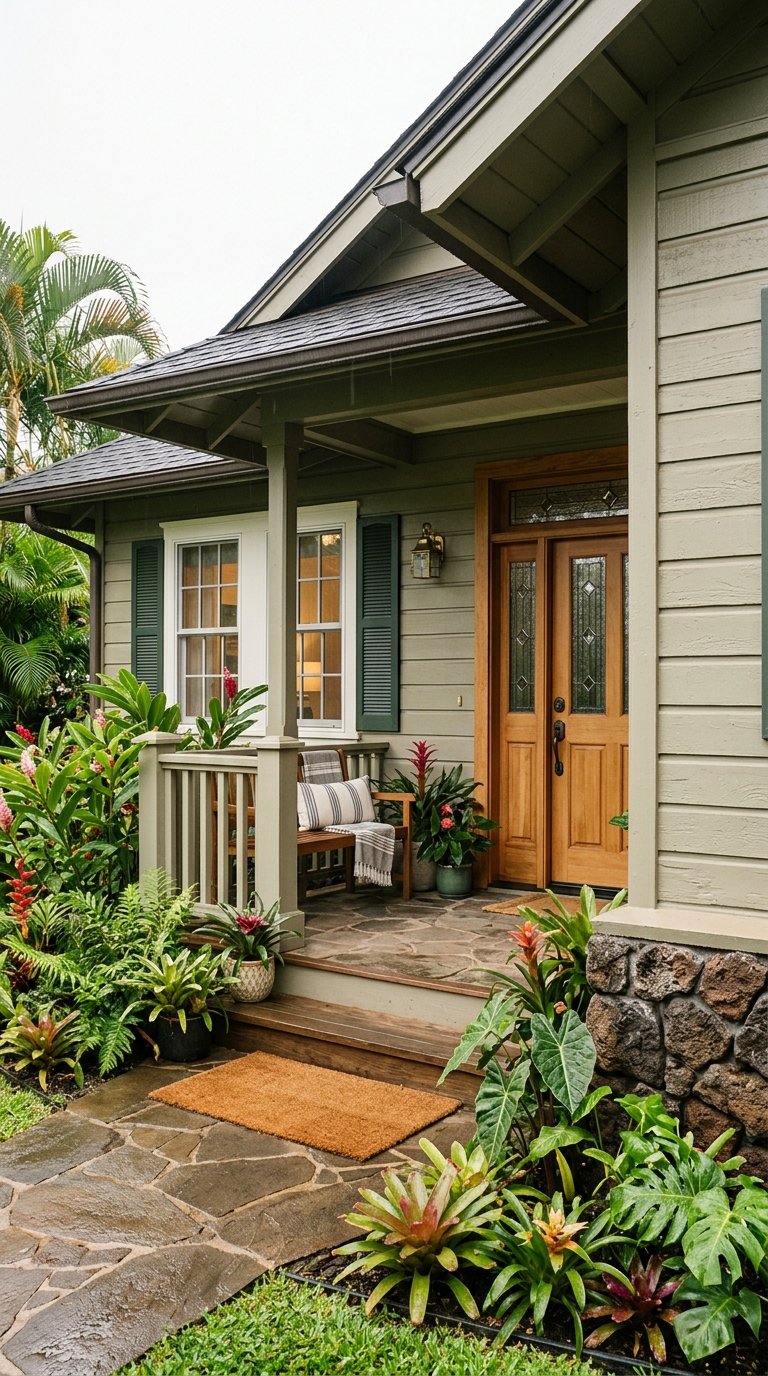
Once the plan is in place, the next phase is getting the home ready for the market. The National Association of Realtors consumer guide to preparing to sell notes that decluttering, deep cleaning, curb appeal improvements, and staging can all improve listing photos and buyer response.
In practical terms, that often means focusing on the details buyers will notice first:
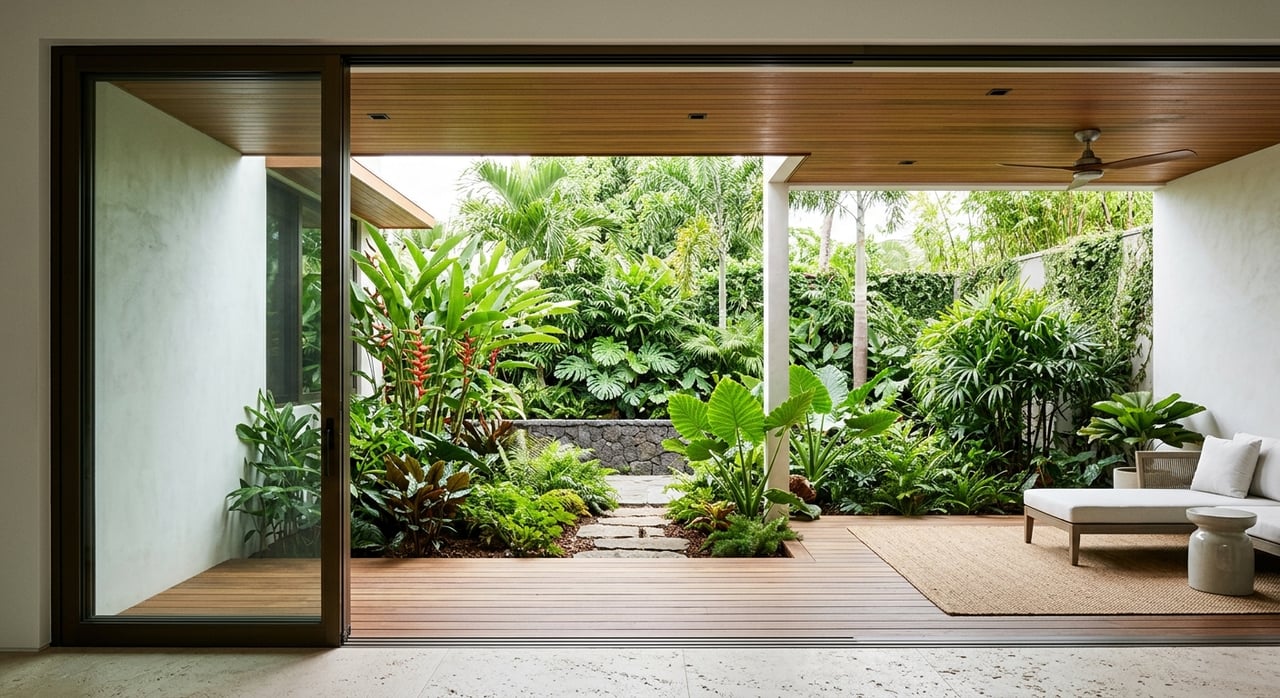
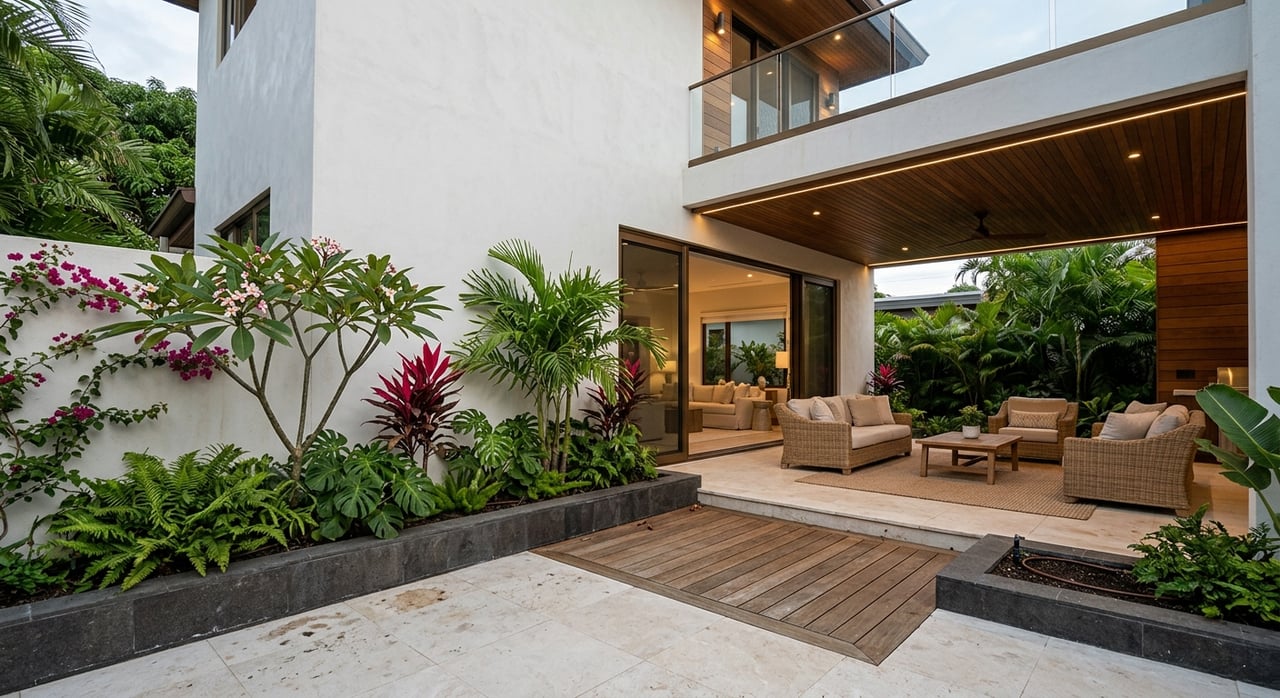
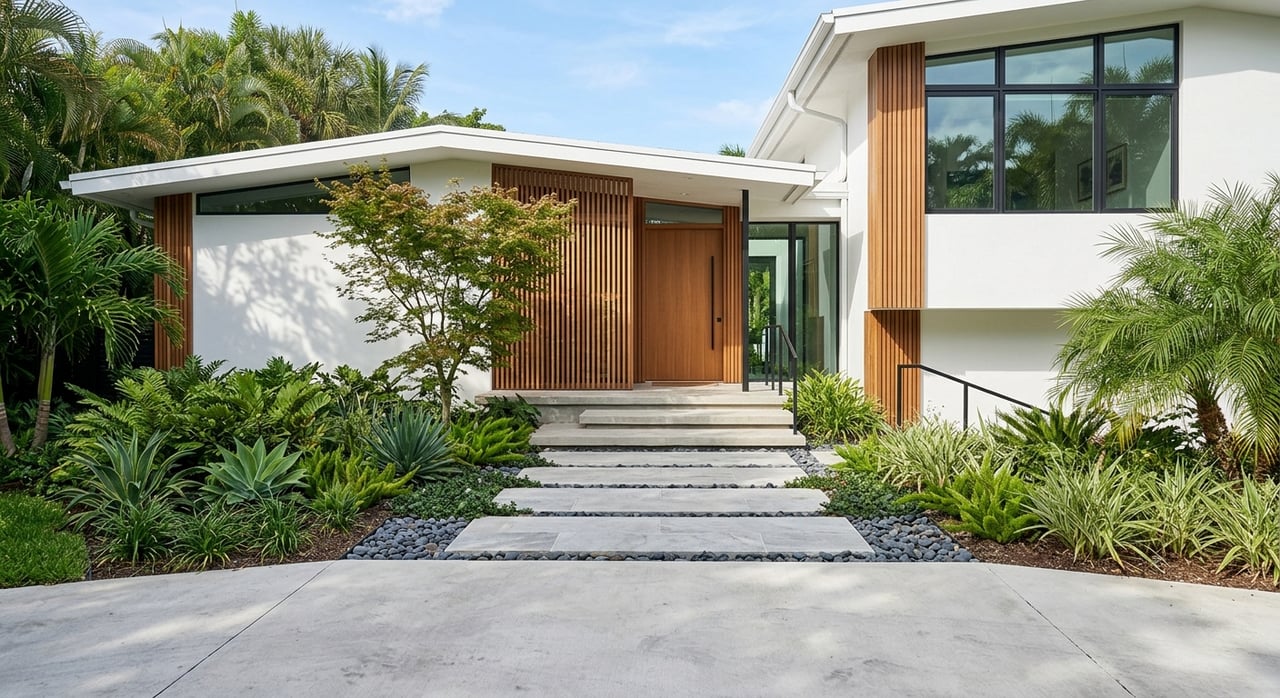
For Manoa homes, presentation can be especially important because buyers may be drawn to features like views, breezeways, lanais, original wood details, or mid-century design elements. A thoughtful prep plan helps those features stand out instead of getting lost in day-to-day clutter.
One of the biggest seller questions is what to repair before listing. There is no one-size-fits-all answer, but the goal is usually to address issues that affect buyer confidence, marketability, or the home’s ability to photograph well.
According to NAR’s seller preparation guide, a pre-sale inspection is optional, but it can help identify concerns involving the structure, roof, plumbing, electrical systems, heating and cooling, interiors, ventilation, insulation, and possible environmental issues such as mold, lead paint, or asbestos. In some cases, learning about these items early helps you make informed decisions before buyers weigh in.
You may decide to:
The right answer depends on your goals, budget, and timeline. Our listing approach can help you prioritize the work that supports the strongest overall presentation.
As you prepare to list, it also helps to gather records related to the home. Collect warranties, manuals for appliances, and instructions for systems that will remain with the property. Doing this early can make the transaction smoother once buyers start asking questions.
If your property is subject to recorded declarations or other recorded restrictions, those documents also matter during the sale process. Organizing paperwork before launch can save time later and reduce stress during escrow.
In Hawaii, disclosure timing is an important part of the listing process. Under HRS Chapter 508D, the seller’s disclosure statement must be signed and dated within six months before or ten calendar days after acceptance of the purchase contract, then delivered to the buyer.
After receiving the disclosure statement, the buyer has time to review it and decide whether to rescind the contract. If the buyer rescinds during that period, deposits are generally returned. If there are recorded restrictions or similar documents tied to the property, those must also be provided, and the buyer gets a separate review and rescission period after receiving them.
This is one reason many sellers benefit from starting the disclosure process early. A well-organized file and clear understanding of what must be provided can help avoid delays after a contract is accepted.
If your home was built before 1978, federal lead-based paint disclosure rules may apply. The EPA’s lead-based paint disclosure requirements say sellers of most pre-1978 housing must disclose known lead hazards, provide available records and reports, supply the EPA/HUD pamphlet, include a lead warning statement, and give buyers a 10-day opportunity to conduct a lead inspection unless that period is shortened or waived in writing.
For older Manoa homes, this is an important step to address early. If your home falls into this category, preparing the required materials before going under contract can make the process feel much more manageable.
When your home is ready, the listing launch begins. This is the stage where staging, photography, marketing, and showings all work together to create momentum. We try to do a 10-day marketing spree, which may include a Twilight open, postcard mailer, social media post, and open houses. Because buyers often form their first impression online, the quality of the visual presentation matters.
NAR notes that cleaning, curb appeal improvements, and staging can make a home more attractive in photos. In Manoa, where recent market data points to a multi-week marketing window for many listings, a strong launch can help shape the pace and quality of early interest. That does not guarantee a specific outcome, but it does support a better first impression in a market where buyers compare value carefully.
Once the home is live, you should expect a showing period where buyers tour the property, compare it to other options, and evaluate pricing and condition. This part of the process can feel personal, especially if you are still living in the home. It also requires some flexibility around scheduling and keeping the property show-ready.
During this phase, feedback becomes useful. Comments from buyers and agents can reveal whether the market is responding more to price, condition, or presentation. If needed, your listing strategy can be adjusted based on that response.
When an offer comes in, the focus shifts from marketing to negotiation. Price matters, but it is not the only term worth reviewing. You will also want to consider timing, contingencies, requested credits or repairs, and the buyer’s overall ability to close.
A clean offer with strong terms can be just as important as headline price. That is why review and negotiation should look at the full picture, not just one number.
Once you accept an offer, the transaction typically moves into escrow. Hawaii regulates escrow depositories through the Department of Commerce and Consumer Affairs, and Fidelity Hawaii’s explanation of escrow and closing outlines the practical workflow.
The escrow or settlement agent generally holds funds and documents, coordinates paperwork and money, responds to lender requirements, secures title insurance, prorates taxes and HOA dues when applicable, and records the deed and loan documents. Once all conditions are satisfied, escrow closes and the transfer of property and money is completed.
For you as the seller, this stage often feels the most paperwork-heavy. Even so, much of the coordination is handled behind the scenes by the agent, escrow officer, lender, and title team.
Although escrow handles much of the coordination, you will still have responsibilities. In most transactions, your role includes:
This is where preparation pays off. If your disclosures, records, and property details were organized early, the escrow period is usually more straightforward.
Many sellers want to know how long the full process will take. The honest answer is that it varies. Based on recent Manoa market data from Redfin, sellers should plan for a marketing period that may last several weeks before acceptance, with the exact timing influenced by price, condition, and buyer demand.
Then comes escrow, which manages the path from accepted contract to closing. The full timeline depends on the specific terms of the offer and whether inspections, financing, or document review create additional steps. A well-prepared home and a thoughtful listing strategy can help make that timeline feel more predictable.
Listing a home in Manoa is not just about putting a sign in the yard. It is about pricing with care, preparing the home thoughtfully, meeting disclosure requirements, and managing the details from launch through closing. For many sellers, the best experience is one that feels organized, communicative, and tailored to the property itself.
If you are preparing to sell, working with someone who understands Manoa, values strong presentation, and can coordinate the moving parts of the process can make a meaningful difference. If you would like a personalized plan for your home, connect with Diane Ito to request a personal consultation.
Specializing in mid-century, modern Hawaii homes, her desire to broaden the scope of the service has been successfully achieved as a 5-time award winner of the Top 100 agents in Hawaii by Hawaii Business Magazine.