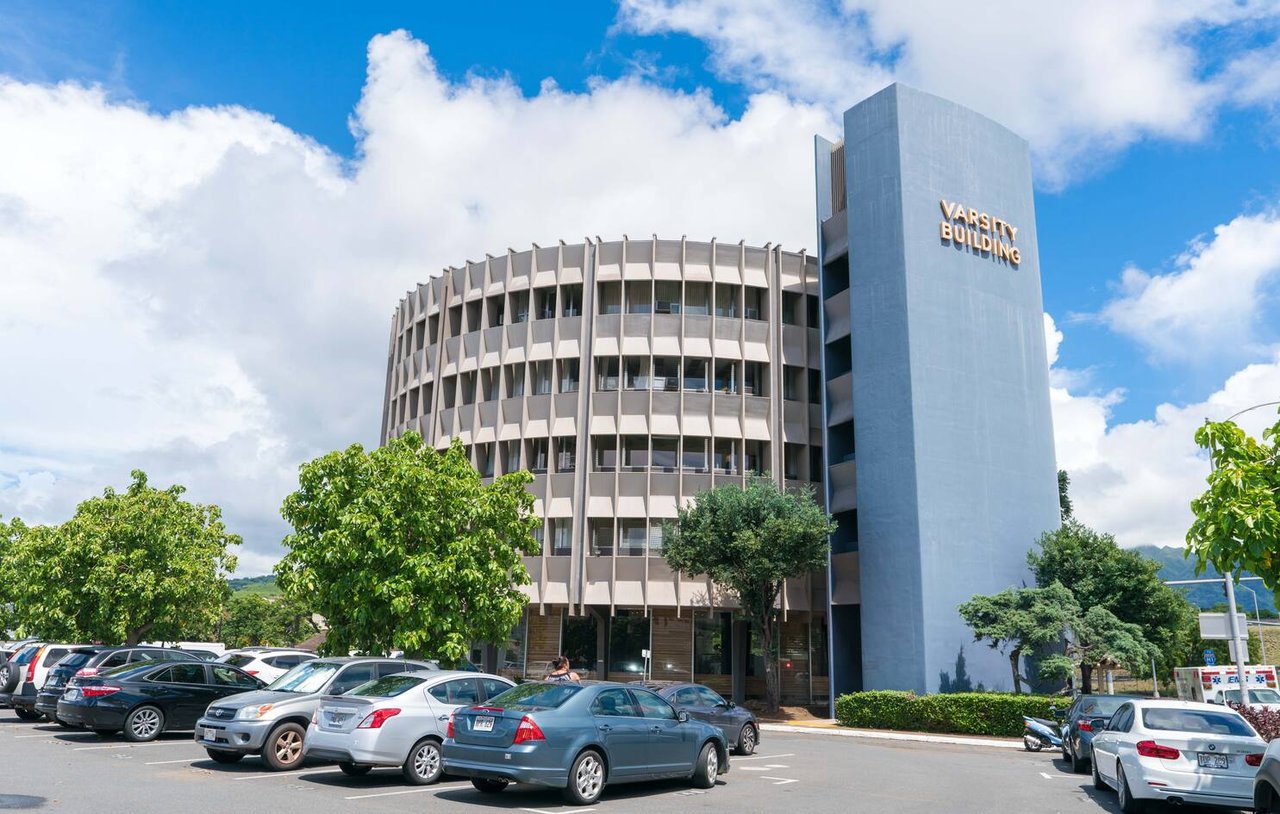
What Honolulu Urban Core Condo Life Feels Like Daily
Curious what daily life really feels like in Honolulu’s urban core condos? If you are considering a move to Kakaʻako, Ala Moana, or nearby central districts, it helps to look past the skyline views and amenity decks and focus on the rhythm of everyday living. From transit and grocery runs to dining, park time, and cultural outings, here’s what you can expect from condo life in Honolulu’s connected urban core. Let’s dive in.
Honolulu’s urban core works less like one single neighborhood and more like a connected mixed-use zone. According to the Hawaii Community Development Authority, Kakaʻako is a 600-acre district planned as a dynamic, pedestrian-oriented community with a mix of people, activities, and commerce. The City also frames Ala Moana as an urban district where commercial and residential uses are close enough to support daily needs.
That matters when you picture your routine. Instead of driving from one isolated area to another, you are often moving through a network of blocks where homes, shops, dining, parks, and transit overlap. In real life, that can make condo living feel efficient, flexible, and highly connected.
One of the most important things to know is that the feel changes from block to block. Some streets lean more office-oriented and feel busier during the weekday, while others feel more residential and relaxed on evenings and weekends. That shift is part of what gives the area its character.
Ward Village, for example, describes its Kakaʻako retail area as a pedestrian-friendly four-block destination about one mile from Downtown Honolulu and roughly a mile from SALT, Ala Moana Center, and Ala Moana Beach Park. In practice, that means your condo experience may depend as much on the immediate surroundings as on the broader district name.
If you are condo shopping, this is where local guidance matters. Two buildings may both be labeled “urban core,” yet offer very different daily experiences depending on traffic flow, retail mix, and how close you are to parks, grocery options, or major corridors.
A common assumption is that rail already runs directly through Downtown, Kakaʻako, and Ala Moana. Right now, that is not the case. HART reports that Skyline currently operates from East Kapolei to Middle Street, with the segment toward Civic Center under construction, while future Kakaʻako and Ala Moana stations are part of a later phase.
For now, TheBus is the practical backbone of daily transit in the urban core. The City’s August 18, 2024 route update shows Route 7 serving Kalihi Valley, Kalihi, Iwilei, Downtown, Kakaʻako, Ala Moana, Mōʻiliʻili, Kaimukī, and Kahala Mall. The City has also documented a bus-only lane on King Street, which supports one of the central downtown bus corridors.
Ward Village also notes nearby Biki stations and bike access. So if you are imagining everyday mobility, the most realistic picture today is a car-light lifestyle rather than a fully car-free one. For many residents, that can still mean shorter drives, more walking, and more flexibility than a suburban routine.
One of the biggest draws of urban core condo life is how easily errands can fit into the start of your day. Foodland Farms Ala Moana is a full-service supermarket inside Ala Moana Center and is open daily from 6 a.m. to 10 p.m. Down to Earth in Kakaʻako offers another grocery option for shoppers looking for organic and natural foods.
That convenience shapes routine in a simple but meaningful way. You might grab coffee, pick up groceries, walk a few blocks through a mixed-use district, and continue on by bus or bike. When the basics are nearby, everyday life can feel less fragmented.
This kind of access is one reason many buyers are drawn to distinctive condos in central Honolulu. The appeal is not just the building itself. It is also the ease of stepping into a neighborhood pattern that supports daily life with fewer long errands and less backtracking.
If you enjoy having options close to home, Honolulu’s urban core delivers variety. Ala Moana Center says it has more than 350 stores and restaurants, making it a major hub for shopping and dining. Ward Village describes its retail mix as boutique stores and artisanal restaurants, while SALT at Our Kakaʻako presents itself as a local gathering place for food, shopping, and events.
For condo residents, this means after-work plans do not always require much planning. A casual dinner, a quick stop for essentials, or an easy meet-up can often happen within the same general district where you live. That kind of accessibility can make the city feel more usable on an ordinary Tuesday, not just on special occasions.
At the same time, each area has its own tone. Some pockets feel polished and high-energy, while others feel more local and laid-back. If you are choosing between buildings, it helps to think about which daily atmosphere fits your pace best.
Urban core living is not only about convenience. It also puts cultural experiences close enough to become part of your regular routine. Hawaii Theatre, located in downtown Honolulu’s Chinatown arts district, hosts concerts, plays, comedy, dance, and film, and notes nearby First Friday gallery walks plus evening restaurant and bar activity in the area.
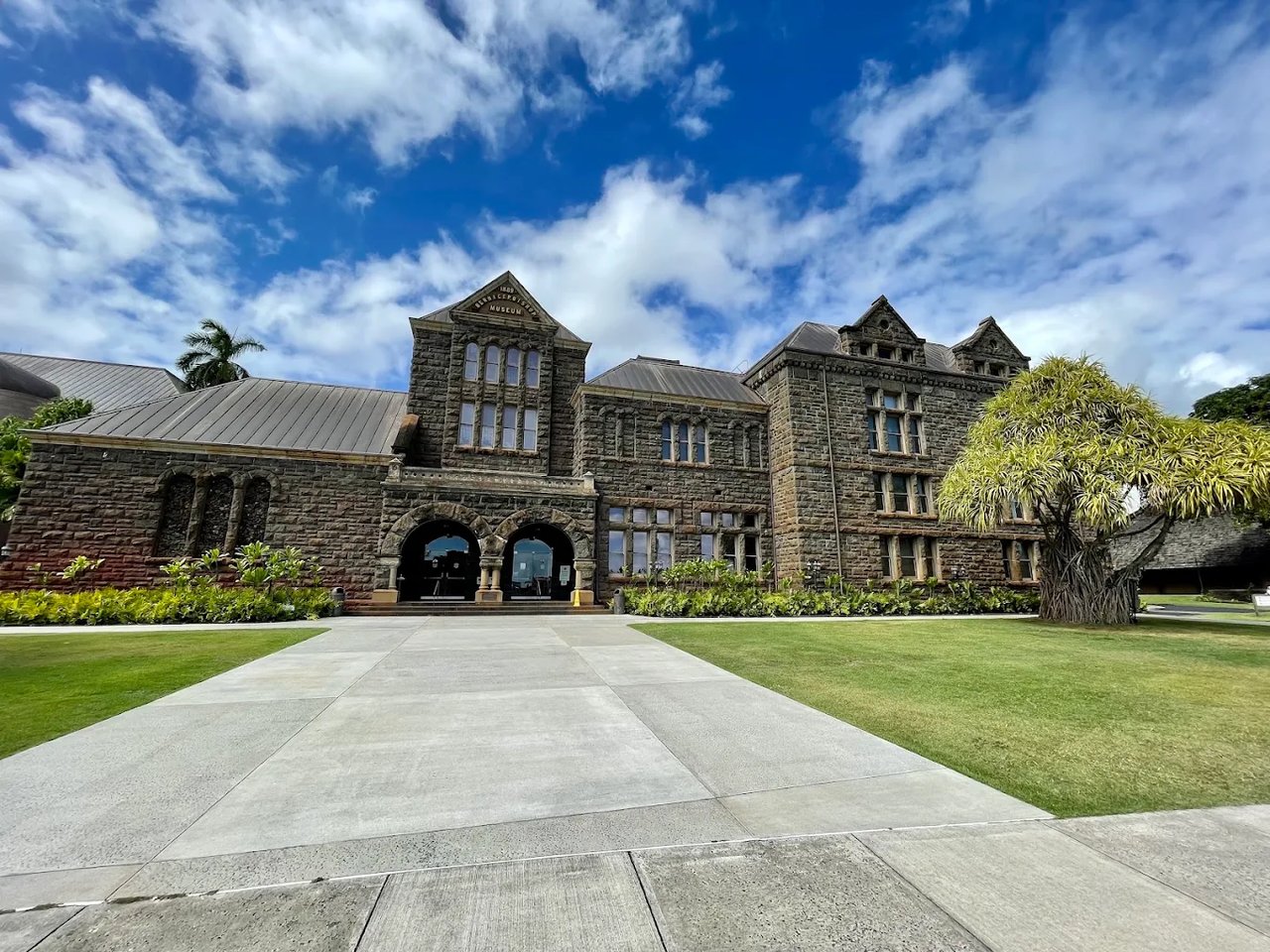
The Honolulu Museum of Art offers exhibitions, tours, talks, films, and special events. The City also highlights Neal S. Blaisdell Center as a venue for shows, expos, and games. For residents in nearby condos, these places can feel less like occasional destinations and more like easy additions to the week.
That is part of the lifestyle many buyers are looking for. You are not just buying square footage. You are choosing how close you want to be to the energy, events, and cultural life of central Honolulu.
A high-rise setting does not mean giving up access to outdoor space. The Hawaii Community Development Authority lists 157.77 acres of parks in the Kakaʻako area, including Kakaʻako Waterfront Park, Kakaʻako Gateway Park, and Kewalo Basin Park, along with nearby Ala Moana Beach Park and Magic Island State Park.
Kakaʻako Waterfront Park is described as a well-used recreational area with shoreline fishing, ocean access, a waterfront promenade, picnic areas, an amphitheater, restrooms, and outdoor showers. HCDA also notes that there are no lifeguards there. That combination of urban density and nearby open space is a major reason many condo buyers find the area appealing.
If your ideal day includes a morning walk, an ocean view, or a quick park stop without a long drive, the urban core offers real advantages. You can move between work, errands, and outdoor time more easily than in many lower-density settings.
This lifestyle tends to work especially well if you want shorter trips to work, groceries, dining, arts, and the waterfront. It also suits buyers who are comfortable with a high-rise pace and like the idea of being in the middle of an active, evolving part of Honolulu. The convenience is real, but so is the energy.
On the other hand, it may be a weaker fit if you are hoping for a quiet low-density environment, a large private yard, or a direct rail ride into the core right now. Since Skyline’s downtown, Kakaʻako, and Ala Moana buildout is still underway, your daily routine today is more likely to depend on walking, bus routes, biking, and selective driving.
The key is matching the property to the life you want to live. In central Honolulu, the right condo is not only about finishes, views, or amenities. It is also about how the location supports your real, everyday routine.
When you visit an urban core condo, pay attention to more than the unit itself. Walk the surrounding blocks and notice how the area feels at that specific time of day. A building that feels calm on a weekend morning may sit in a much more active corridor during weekday business hours.
It also helps to test the basics. Look at where you would buy groceries, how you would reach work or appointments, and how easily you can get to parks, dining, or cultural venues. These small patterns often shape your satisfaction more than a long list of building amenities.
For buyers considering distinctive Honolulu condos, this is where an experienced local perspective can make the search more focused. Understanding the micro-differences between blocks can help you find a better fit and avoid a mismatch between the condo and your lifestyle.
If you are exploring condo living in Honolulu’s urban core, a thoughtful strategy can help you narrow the field quickly and confidently. The right home should support not just your wish list, but also the way you want to move through your day. If you want guidance on finding the right fit in central Honolulu, Diane Ito offers a people-first, highly personalized approach to buying and selling distinctive properties.
Specializing in mid-century, modern Hawaii homes, her desire to broaden the scope of the service has been successfully achieved as a 5-time award winner of the Top 100 agents in Hawaii by Hawaii Business Magazine.