How To Evaluate Luxury Condos In Honolulu's Urban Core
Thinking about a luxury condo in Honolulu’s urban core? It is easy to get pulled in by a dramatic view, a sleek kitchen, or a beautiful lobby. But in neighborhoods like Kakaʻako, Ala Moana, and Waikiki, the smartest purchase usually comes down to something deeper: how well the unit, building, and location fit your real life. Let’s dive in.
Honolulu’s luxury condo market is not one single category. The urban core includes several distinct submarkets, each with a different feel, planning framework, and ownership experience.
Kakaʻako, including Ward Village, is often associated with newer towers, walkability, parks, open space, and a curated mix of residences and retail. HCDA describes Kakaʻako’s Mauka and Makai plans as part of a redevelopment vision for a pedestrian-oriented urban community, while Ward Village identifies itself as a 60-acre master-planned community in the heart of Honolulu.
Ala Moana is often valued for central access. The City’s Ala Moana TOD plan describes the area as one of Honolulu’s major centers, with mixed-use corridors, compact development, and a transit-oriented district framework. If your priorities include being near shopping, beach access, and key east-west routes, that centrality can matter as much as the building itself.
Waikiki tends to feel different from both Kakaʻako and Ala Moana. Some luxury residences there have a branded, resort-style model that can operate more like a hotel residence than a conventional apartment tower. That can be attractive if you value service and a hospitality feel, but it also means you should pay very close attention to building rules and operating structure.
The best luxury condo is not always the newest or most expensive one. It is the one that supports the way you actually want to live day to day.
If you want a neighborhood with parks, retail, and a walkable environment, Kakaʻako or Ward Village may feel like the right fit. If you care most about central convenience and access to major destinations, Ala Moana may deserve a closer look.
If you are drawn to polished service and resort-style amenities, Waikiki may be appealing. Still, you will want to evaluate whether that lifestyle matches your long-term goals, monthly carrying costs, and expectations for full-time residential use.
Luxury finishes can distract you from the basics. In practice, floor plan and livability often matter more than the marble, fixtures, or staging.
As you tour a condo, ask yourself a few practical questions. Does the layout make everyday living easy? Do the bedrooms offer enough privacy? Is there enough storage for how you live, not just how the home looks during a showing?
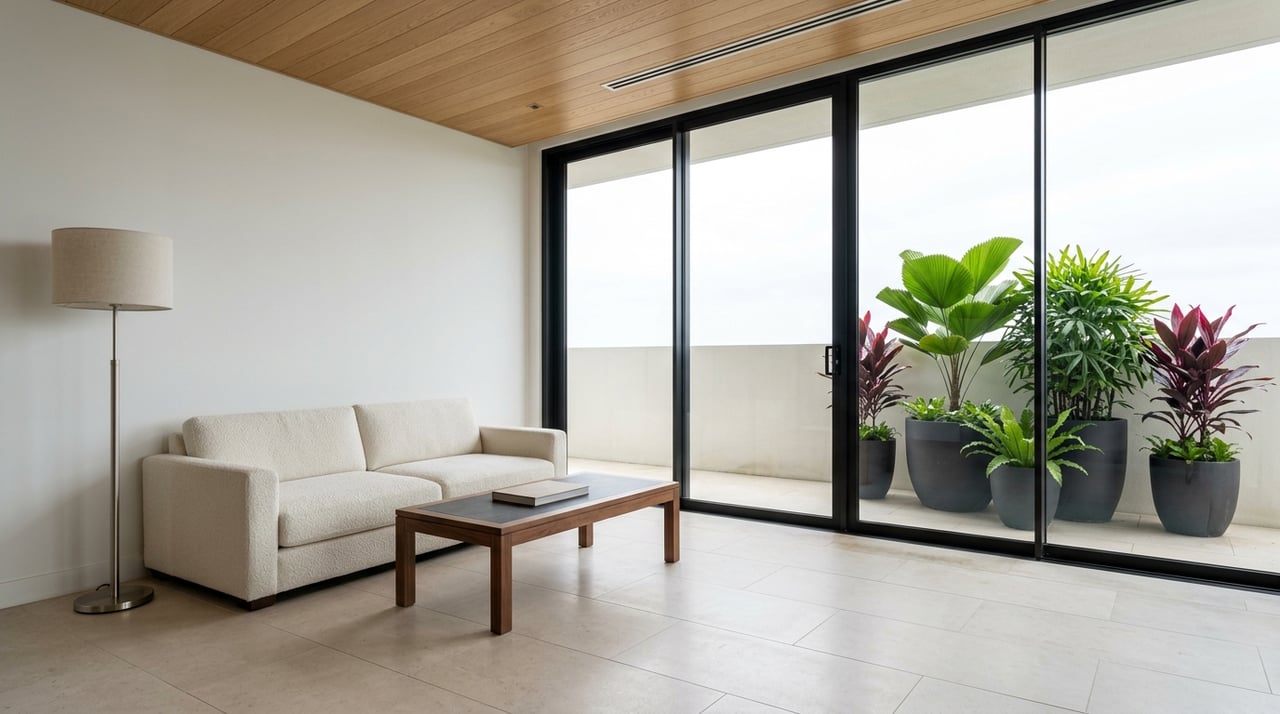
Outdoor space also deserves a closer look. A lanai or balcony can be a real extension of the home, but only if it is functional in size and use. In Honolulu’s urban core, where indoor-outdoor living matters, that detail can have a big impact on how much you enjoy the property.
One of the first things to verify is ownership structure. Under Hawaii condominium sales rules, buyers should be told whether a unit is fee simple or leasehold, and that difference can affect financing, monthly cost, and resale flexibility.
This is especially important in Honolulu, where the distinction can materially shape the long-term value story of a condo. Before you get emotionally attached to a unit, make sure you understand exactly what is being conveyed.
A sweeping ocean, city, or mountain view can absolutely be part of a luxury purchase decision. In Honolulu, views often carry both lifestyle value and resale appeal.
But the view should not be judged on beauty alone. The Hawaii DCCA notes that view-plane restrictions and other non-visible changes may materially affect a unit’s use and value. That means you should confirm what is documented, what is protected, and whether the actual unit matches the declaration and map.
It is also smart to verify any enclosed lanai or altered interior area. DCCA warns buyers not to assume that every finished space shown in a unit is legal or properly permitted.
In many luxury buildings, parking and storage are easy to overlook until after closing. That is a mistake, especially for relocators or buyers planning full-time urban living.
DCCA guidance recommends checking the condominium map and declaration to confirm the number and assignment of parking stalls and storage areas. You should not rely on informal arrangements or owner-to-owner trades that are not reflected in the official documents.
If parking matters to you, ask clear questions. Is the stall deeded or assigned? Is there guest parking? Is EV charging available or possible? These details can shape daily convenience just as much as square footage.
Honolulu luxury towers often compete on amenities. Pools, gyms, cabanas, guest suites, dog areas, party rooms, and courts can make a strong first impression.
Still, the better question is whether the amenity package matches your actual routine. A building with an extensive list of features may sound appealing, but if you only use a few of them, you are still helping pay for all of them through monthly fees.
For example, some buildings highlight expansive amenity decks, fitness spaces, guest suites, and retail access. Others emphasize concierge-style services and resort amenities. The right fit depends on whether you want a true residential feel, a service-heavy environment, or a blend of both.
In Honolulu’s luxury condo market, monthly fees are not just a line item. They tell you a lot about the building’s health, priorities, and long-term financial planning.
DCCA explains that reserve funds are collected for future major expenses such as roofs and elevators. If reserves are too low, owners may face special assessments, deferred maintenance, or borrowing later.
That is why a lower monthly fee is not always a positive sign. A building can look cheaper in the short term if it delays needed work, but those costs often come back later in a more painful way.
Insurance is also a major part of the picture in Hawaii. DCCA notes that many condominium buildings in the state are now more than 40 years old, and that aging systems like pipes, windows, concrete, decks, and railings can affect cost and risk. DCCA also notes that only three insurers in Hawaiʻi’s admitted or voluntary market currently place insurance on condo buildings, which helps explain why master-policy costs can rise quickly.
For a luxury condo purchase, the documents matter just as much as the finishes. They often tell you more about the building than a tour ever will.
DCCA’s buyer handout recommends reviewing board minutes, annual meeting minutes, the current budget, financial statements, the declaration, bylaws, house rules, any pending litigation, the insurance summary, the reserve study or summary, and the managing-agent disclosure form. These records can reveal ongoing maintenance issues, owner concerns, governance patterns, and upcoming projects.
House rules deserve especially close attention. They can affect pets, parking, noise, lanai use, visible exterior items, barbecuing, and rental policies. In other words, they shape the details of daily life.
Not every luxury building operates the same way. In Honolulu’s urban core, some towers function as conventional residential communities, while others lean into a branded or resort-style experience.
Branded residences may offer concierge-style services and hospitality-driven amenities. For some buyers, that is a major plus. For others, it may introduce a cost structure or set of rules that does not align with how they plan to use the property.
The key is to compare the operating model, not just the look and feel. A glamorous tower is only a strong buy if the lifestyle, governance, and monthly costs make sense for you.
Purchase price is only part of the financial picture. In Honolulu, carrying costs can vary meaningfully depending on how the property will be used.
For the 2025 to 2026 tax year in Honolulu County, the residential tax rate is $3.50 per $1,000 of net taxable value. For Residential A property that is not owner-occupied, the rate is $4.00 per $1,000 on the first $1 million and $11.40 per $1,000 above $1 million.
That means the same condo can carry very different costs depending on whether it will be your primary residence, a second home, or an investment property. When you compare buildings, make sure you are looking at the full monthly picture: taxes, maintenance fees, insurance-related costs, and any special assessments.
Even if you plan to stay for years, resale should still be part of your evaluation. In Honolulu’s urban core, durable value often comes from a combination of strong location, efficient layout, documented maintenance, credible reserves, and rules that support the intended use of the property.
The broader market also matters. The Honolulu Board of REALTORS reported that Oʻahu condo sales declined 1.1% in 2025, with the median condo price ending the year at $507,250. Its year-end commentary also pointed to rising insurance premiums as added pressure on condo owners and associations.
In that kind of environment, buildings with stable governance, understandable fee increases, and transparent financial planning may stand out more than buildings that simply look impressive on the surface.
When you are comparing condos in Kakaʻako, Ala Moana, Waikiki, or nearby urban-core locations, a disciplined checklist can keep emotion from taking over.
The best luxury condo in Honolulu’s urban core is rarely just the prettiest one. It is the home where design, layout, building health, and neighborhood setting all work together in a way that feels effortless for your everyday life.
If you want a thoughtful, design-aware perspective on Honolulu luxury condos, Diane Ito offers a people-first approach grounded in local knowledge, clear guidance, and concierge-level service.
Specializing in mid-century, modern Hawaii homes, her desire to broaden the scope of the service has been successfully achieved as a 5-time award winner of the Top 100 agents in Hawaii by Hawaii Business Magazine.