Preparing An Older Manoa Home For Today's Buyer
If you own an older Manoa home, you may be wondering how much to update before listing and how much to leave alone. That question matters here because many Manoa properties carry architectural character that buyers notice right away, but buyers also want to feel confident the home has been cared for. The good news is you usually do not need to erase the past to meet today’s expectations. You need a smart plan that highlights charm, addresses condition, and presents the home clearly from day one. Let’s dive in.
Manoa has one of the island’s largest concentrations of historic residences, with documented homes showing Craftsman and Prairie influences, wood framing, built-ins, lanais, and other original details. Those features can be a real advantage when you sell because they give your property a sense of identity that newer homes may not have. In many cases, the goal is not to modernize everything. It is to preserve what makes the home special while making ownership feel easier for the next buyer.
That balance is especially important for long-held homes. National data shows the typical seller has owned their home for 11 years, and in Manoa, many homes have been in the same hands for much longer. If your home has been loved for decades, thoughtful preparation can help buyers see both its legacy and its future.
Buyers also tend to care deeply about the surrounding area and how a home fits their daily life. In an established neighborhood like Manoa, that means your home’s presentation should support the feeling buyers already hope to find there. A well-prepared property sends a simple message: this is a character home that has been maintained with care.
Before you think about paint colors or staging, focus on the issues that can weaken buyer confidence. In Manoa, moisture-related maintenance should be near the top of the list. Lyon Arboretum reports that Manoa Valley averages about 165 inches of rainfall annually, which makes water control a practical concern for many older homes.
If buyers see staining, soft wood, or signs of poor drainage, they may worry about bigger hidden problems. That is why some of the most valuable pre-listing work is not flashy at all. Fixing leaks, clearing gutters, correcting drainage, and removing vegetation that traps moisture near the house can make a meaningful difference.
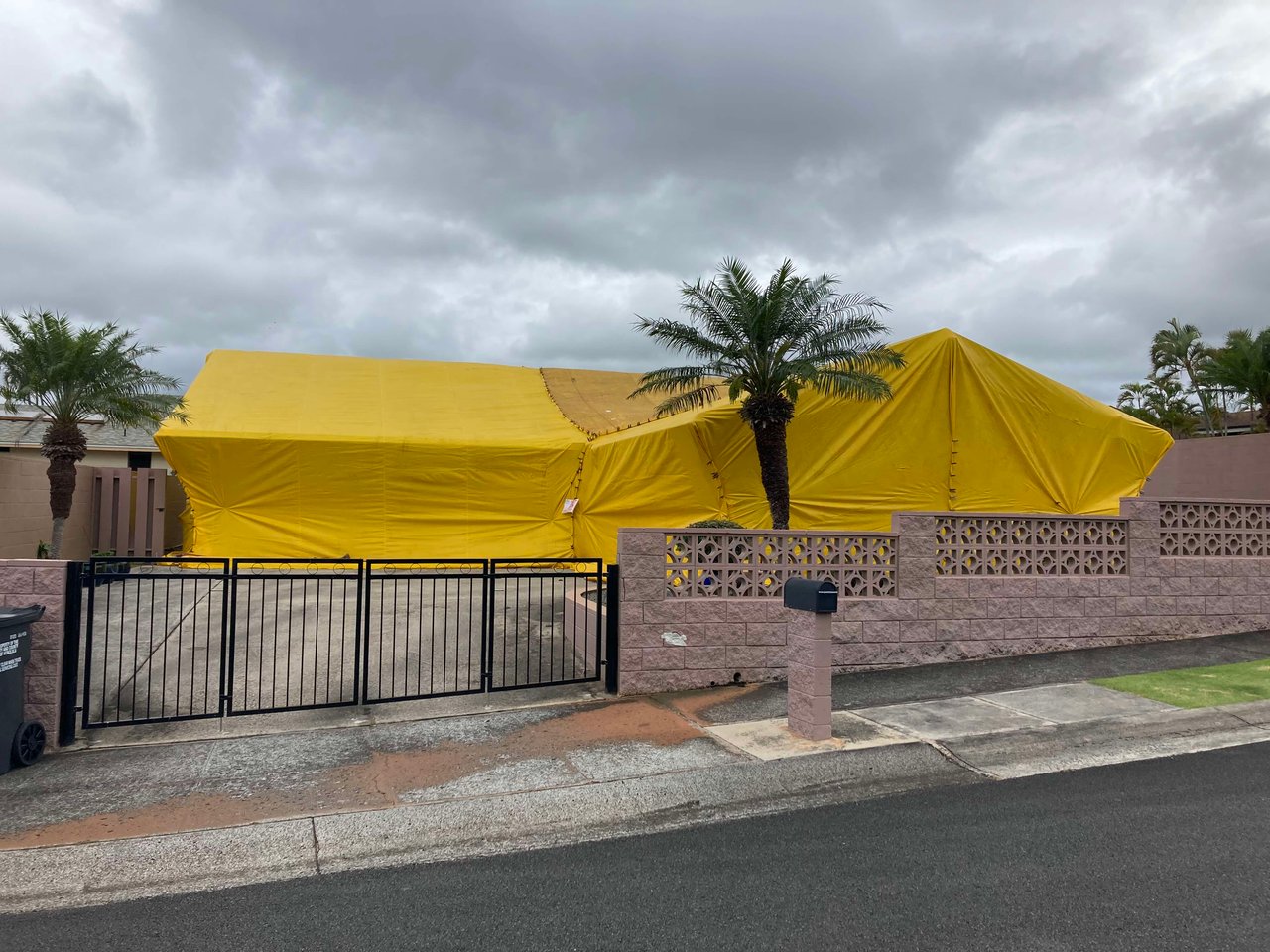
The University of Hawaiʻi Termite Project notes that Formosan subterranean termites are Hawaii’s single most damaging insect pest to homes. These termites need moisture, can travel through mud tubes, and are encouraged by direct wood-to-soil contact. In practical terms, that means reducing moisture and keeping the structure clear of favorable termite conditions can help your home show better and feel more manageable to a buyer.
A strong prep checklist often includes:
These steps may not be glamorous, but they often matter more than decorative upgrades.
If your prep list includes repairs or exterior improvements, it helps to identify permit-sensitive work as early as possible. Honolulu’s building code states that permits are required for work covered by the code, including construction, alteration, replacement, and repair of buildings. For one- and two-family dwellings, the residential code may apply in some cases, but the key point is the same: do not assume every project is minor.
This matters even more if drainage work starts to expand. The City and County of Honolulu says a grading permit is required when grading changes drainage patterns relative to adjacent properties, exceeds 50 cubic yards of cut or fill, or exceeds 3 feet in vertical height at its deepest point. What begins as a simple cleanup can become something more technical, so it is wise to sort that out before your listing timeline gets tight.
In an older Manoa home, architectural character is part of the value story. Historic Hawaiʻi Foundation examples in the area highlight features such as wood floors, built-ins, large lanais, roof lines, basalt or lava-rock elements, and decorative Craftsman details. Those are the details that often give a home warmth and presence.
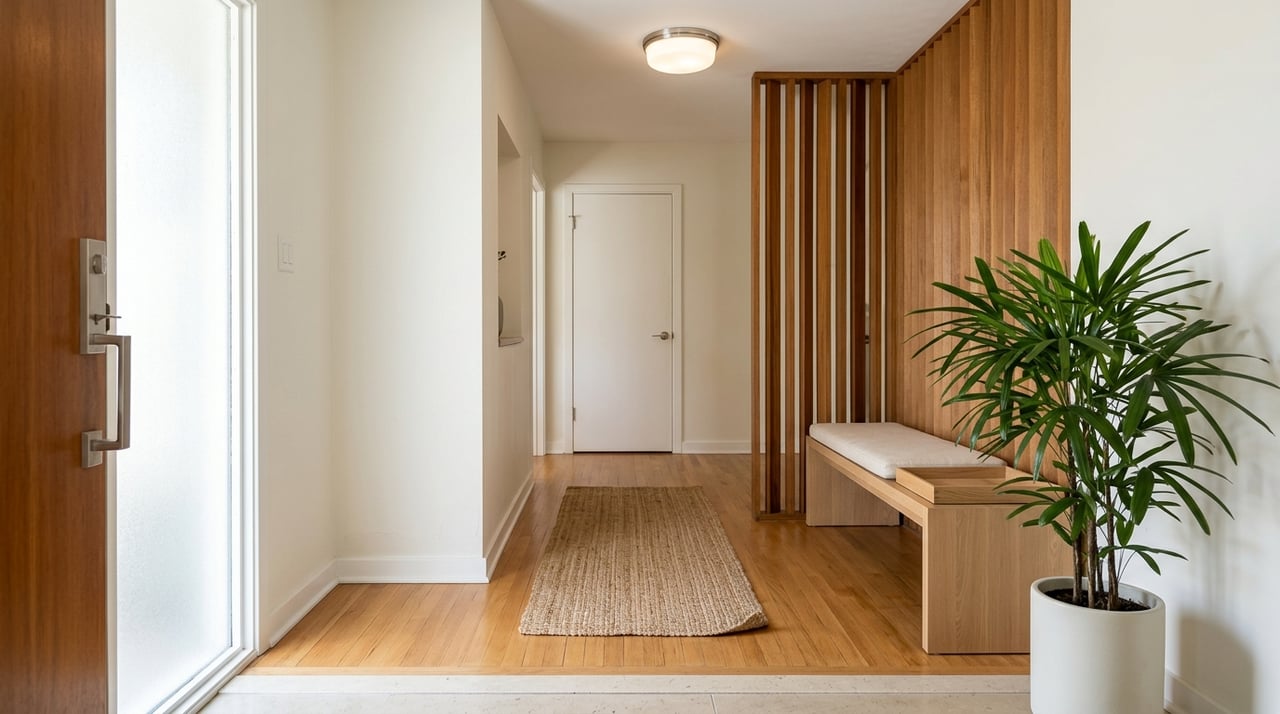
Instead of pushing for a full stylistic overhaul, aim for a light-touch refresh that lets the architecture stay visible. Current staging and design commentary points toward warmer, more tactile interiors with natural materials and less dependence on a stark, all-white look. That trend works especially well in older homes where texture and original materials already provide visual depth.
Simple updates often go further than sellers expect. You might touch up paint, clean and polish original hardware, swap out a dated light fixture, deep clean windows, or freshen landscaping so the home feels lighter and better cared for. The point is not to make the house look brand new. It is to help buyers appreciate the original bones without distraction.
A thoughtful refresh may include:
When the home has real character, restraint often creates the strongest result.
If your budget is limited, you do not need to stage every corner of the house. The most effective strategy is usually to fix obvious issues first, then focus staging on the rooms buyers notice most. According to the 2025 Profile of Home Staging, staging helps buyers visualize a property, and the rooms most commonly staged are the living room, primary bedroom, dining room, and kitchen.
That insight matters for owners of older homes because it helps you avoid overspending on low-impact projects. More than half of sellers’ agents reported that they did not fully stage before listing but did recommend decluttering or correcting property faults first. NAR also reported a median staging-service cost of $1,500, compared with $500 when the seller’s agent handled staging.
For many Manoa sellers, the smarter path is a phased approach:
This kind of plan supports both value and efficiency. It also respects the reality that a long-held family home may need editing, not reinvention.
Today’s buyers often form an opinion before they ever set foot inside a home. Buyer trend data shows that photos are the most useful website feature for internet users, followed by detailed property information, floor plans, and virtual tours. Separate survey data also found that 43% of buyers started their home search online.
For an older Manoa property, online marketing should lean into what makes the home distinctive. That means clear photography, strong visual storytelling, and property details that answer common buyer questions up front. If the home has original woodwork, a generous lanai, preserved built-ins, or meaningful updates to drainage and maintenance, those points should be presented clearly.
Generic marketing can undersell a legacy home. Buyers looking at Manoa often respond to authenticity, not a polished version of a home that could be anywhere. Honest visuals and thoughtful descriptions help attract buyers who value the home for what it is.
Preparing an older home for market usually involves more than one decision and more than one professional. Sellers most want help pricing their home competitively, marketing it to buyers, selling within a specific time frame, and identifying ways to fix it up for more. Buyers, meanwhile, value help understanding the process, noticing faults, and connecting with service providers.
That is why selling a legacy property often works best with a coordinated plan. Instead of one major renovation, the better strategy is usually to align the right people at the right time. That may include your agent, stager, photographer, inspector, contractor, termite professional, and permit-aware trades when needed.
For many sellers, there is also an emotional side to this process. A longtime family home may hold years of memory, care, and personal history. A phased, respectful preparation plan helps you protect that legacy while still meeting current buyer expectations for condition, clarity, and presentation.
If you are thinking about selling an older Manoa home, the best next step is a preparation strategy tailored to the property itself. Diane Ito brings local Manoa insight, design-sensitive presentation, and hands-on vendor coordination to help you position your home thoughtfully and competitively.
Specializing in mid-century, modern Hawaii homes, her desire to broaden the scope of the service has been successfully achieved as a 5-time award winner of the Top 100 agents in Hawaii by Hawaii Business Magazine.