Leave a Message

Thank you for your message. We will be in touch with you shortly.

Choosing Between A Manoa Home And A Honolulu Condo

If you are deciding between the green, residential feel of Mānoa and the convenience of a Honolulu condo, you are not alone. Many buyers are weighing the same question: do you want more space and control, or a more compact home with shared upkeep and easier access to urban conveniences? The right answer depends on how you live every day, what kind of maintenance you want, and how you want your monthly housing costs to work. Let’s dive in.

Mānoa vs Honolulu Condo Living

Mānoa and central Honolulu offer two very different homeownership experiences. Mānoa is a valley neighborhood between Waikīkī and the Koʻolau mountains, with frequent rain, lush surroundings, and a more residential pattern of development.

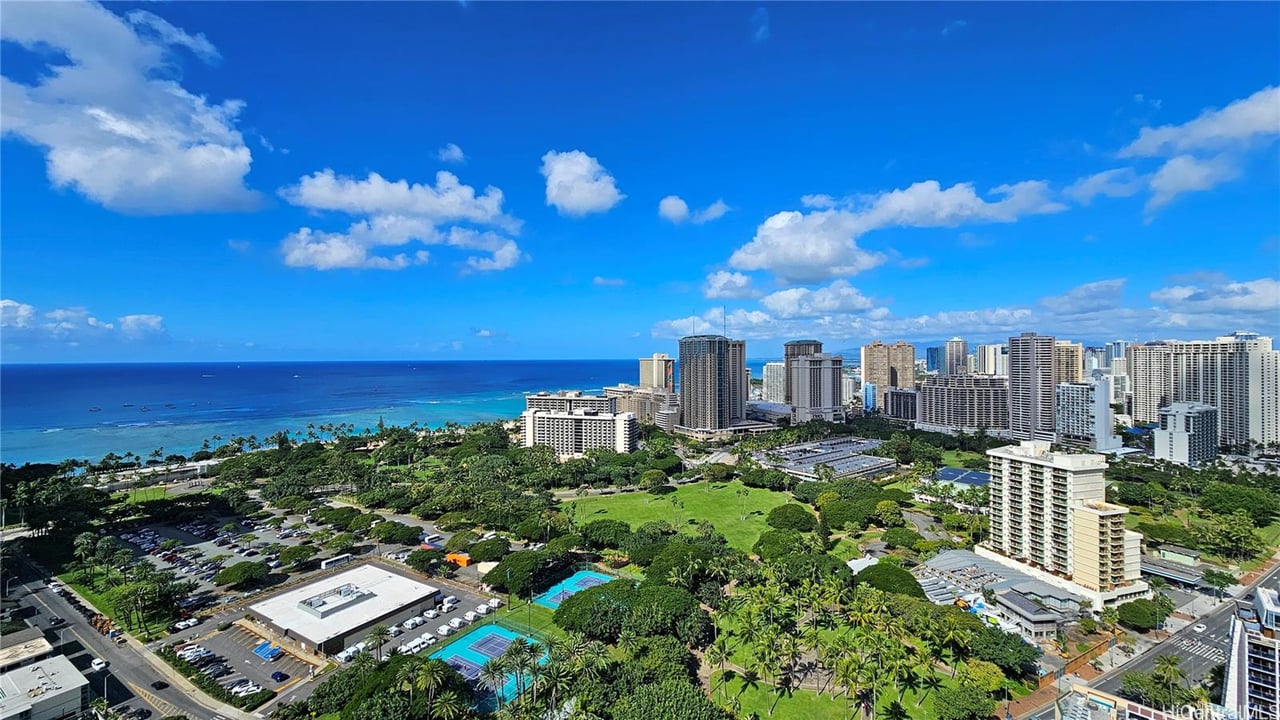
By contrast, central Honolulu condo areas such as Ala Moana and Kakaʻako are shaped by higher-density, mixed-use planning. State planning materials describe these areas as pedestrian-oriented environments designed to support walking, biking, public transit, and daily errands.

That contrast often sits at the heart of the decision. A Mānoa home may offer more autonomy and a stronger connection to outdoor space, while a Honolulu condo may offer convenience, shared amenities, and less exterior work.

Why Mānoa Appeals to Buyers

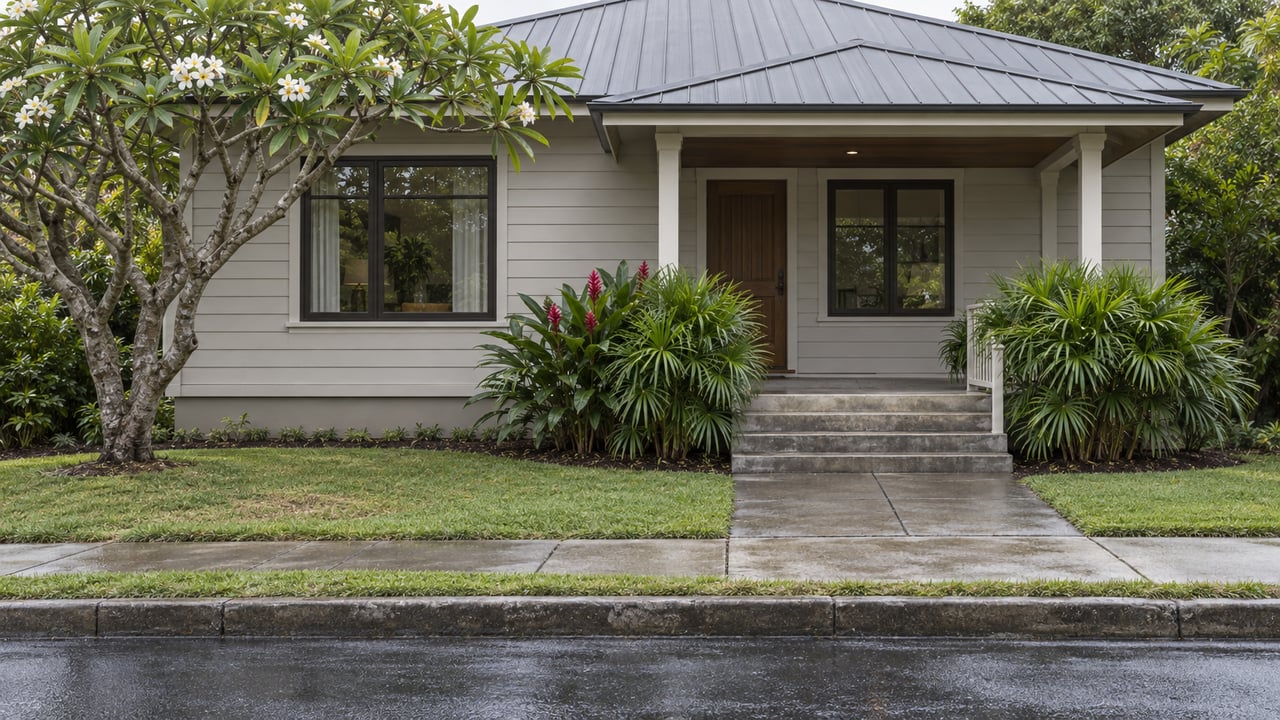
Mānoa tends to attract buyers who want a lower-density setting close to town. The area includes preserved green open space and residential streets, especially on the mauka side, which can feel quite different from the more urban pace of central Honolulu.

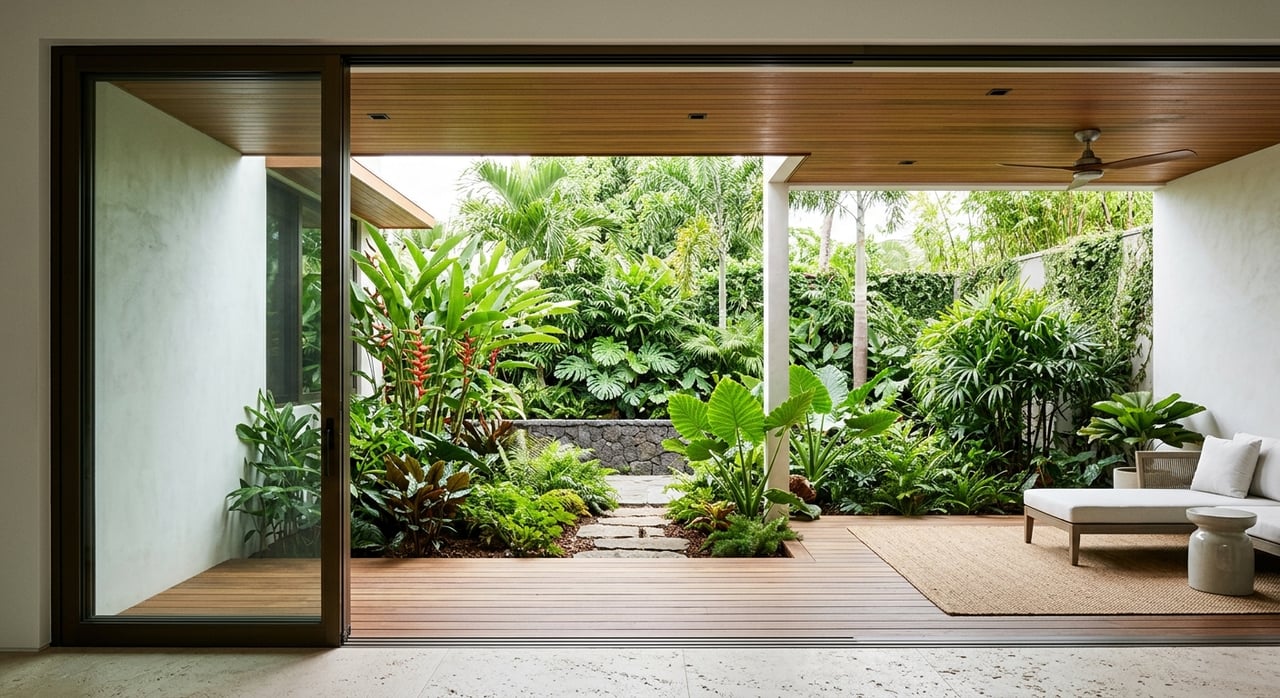
For many buyers, the appeal starts with space. A detached home usually gives you more control over your yard, landscaping, pets, and how you use your outdoor areas day to day.

The neighborhood data also suggests a different household pattern. According to DBEDT 2020 neighborhood figures, Mānoa had a 58.6% homeownership rate and an average household size of 2.63, compared with 45.0% homeownership and 1.89 persons per household in Ala Moana/Kakaako.

That does not define any individual buyer or property, but it helps show why Mānoa can feel like a better fit if you want more room to spread out.

Why Honolulu Condos Appeal to Buyers

A central Honolulu condo can be a smart fit if you value convenience and a more walkable daily routine. In areas shaped by transit-oriented development, residential, commercial, and institutional uses are intentionally mixed to support access by foot, bike, transit, and car.

For some buyers, that means less dependence on driving for every errand. If your routine is centered around Downtown, Ala Moana, Kakaʻako, or other central Honolulu destinations, condo living may line up better with your schedule.

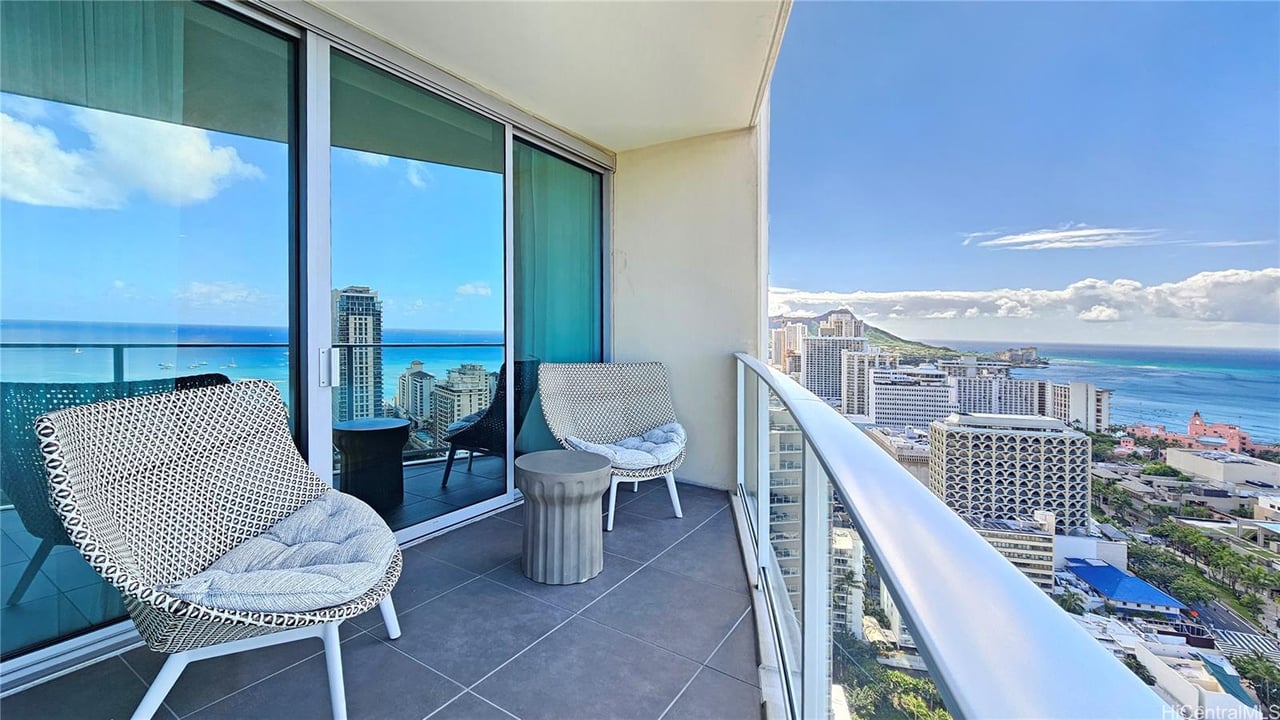
Condos can also appeal if you want amenities without taking on all the maintenance yourself. In Hawaiʻi condominium ownership, you typically own the interior of your unit and share ownership of common elements, which can include landscaped areas, walkways, and pools.

Space and Privacy Differences

One of the clearest differences between a Mānoa home and a Honolulu condo is how much private space you control. In a single-family home, you generally have more freedom to shape the exterior environment around you.

That can matter if you care about gardening, outdoor dining, storage, pets, or simply having separation from neighbors. Buyers looking at architecturally notable homes, especially in established neighborhoods like Mānoa, often place a high value on that sense of independence.

Condo ownership works differently. The Hawaiʻi Real Estate Commission notes that condo living is communal and offers less freedom than living in a single-family house.

That does not make it worse. It simply means your priorities need to match the ownership structure.

Commute and Daily Convenience

Your weekly routine should carry real weight in this choice. A home that feels perfect on Sunday can become less ideal if your Monday-through-Friday schedule is working against it.

Central Honolulu condos are often more convenient for buyers who want a pedestrian-oriented environment with easier access to mixed-use destinations. That is especially relevant if you want to reduce car dependence or keep errands simple.

Mānoa remains close to UH Mānoa and town amenities, but its valley setting and lower-density layout can make it feel more car-oriented for many households. If your life revolves around campus, central business areas, or urban services, this is worth thinking through carefully.

Ownership and Maintenance Responsibilities

A condo can simplify some aspects of property upkeep, but it also comes with a governance structure. The association board makes decisions about rules, policies, budgets, maintenance fees, and reserves.

Those details matter more than many first-time condo buyers expect. Maintenance fees may cover common-area and limited-common-area maintenance, management, insurance, utilities, and reserve contributions.

The Real Estate Commission also notes that insufficient reserves can lead to special assessments, and underfunded associations can face deferred maintenance. That means your monthly condo cost is not just about the mortgage.

With a Mānoa house, the responsibility shifts more directly to you. You may have more freedom, but you also take on more of the upkeep, planning, and expense that come with maintaining the structure and site.

Monthly Cost Structure Matters

The financial gap between a house and a condo on Oʻahu can feel significant. In the Honolulu Board of REALTORS® May 2026 report, the countywide median sales price was $1,166,000 for single-family homes and $520,000 for condominiums.

The same report showed median days on market of 13 for single-family homes and 43 for condos. These are countywide figures, not specific to Mānoa, but they help explain why buyers often experience these choices very differently.

A condo may have a lower purchase price, but you need to budget for monthly dues in addition to your mortgage. A house may not have condo fees, but you are more directly responsible for repairs, landscaping, drainage, and ongoing property maintenance.

Flood and Site Considerations in Mānoa

Mānoa’s beauty is part of its draw, but buyers should also understand the setting. The University of Hawaiʻi at Mānoa describes the area as rain-prone, lush, and susceptible to flooding from Mānoa Stream.

That makes property-specific due diligence especially important. If you are considering a Mānoa home, think closely about drainage, roof condition, slope, retaining walls, and how the site handles water.

This does not mean every property carries the same level of risk. It does mean that the valley environment should be part of your evaluation, especially for homes with mature landscaping or stream-adjacent locations.

Condo Documents Deserve Close Attention

If you are leaning toward a Honolulu condo, the documents are not just paperwork. They shape how you can use the property and what financial obligations may come with ownership.

The Hawaiʻi Real Estate Commission says the declaration, bylaws, and house rules govern the ownership and use of the unit. The declaration also establishes the association, common and limited-common elements, individual-unit ownership, and parking stalls.

That matters because features you think of as private, such as parking or storage, may be limited-common elements rather than fully separate property. Before you choose a condo, make sure you understand exactly what you are buying and how the project is run.

How to Decide Which Fits You Best

If you are torn between these two paths, start with your daily life rather than the listing photos. The best choice usually becomes clearer when you focus on how you want to live.

Ask yourself:

  • How much private outdoor space do you really want?
  • Do you want to maintain that space yourself?
  • Is your routine more connected to UH Mānoa, Downtown, Ala Moana, Kakaʻako, or another part of Honolulu?
  • Are you comfortable with condo dues, board governance, and the possibility of special assessments?
  • Would you rather live in a low-density valley setting or a more urban, pedestrian-oriented area?
  • If school assignment matters, have you verified the address through the Hawaiʻi Department of Education SchoolSite Locator rather than relying on general neighborhood assumptions?

For many buyers, this comes down to three tradeoffs: more space and autonomy in Mānoa, more convenience and shared maintenance in central Honolulu, and a very different monthly cost structure in each option.

A thoughtful home search should make room for both the numbers and the lifestyle fit. If you want guidance that is grounded in local knowledge, architectural sensitivity, and a clear understanding of Mānoa and central Honolulu, Diane Ito can help you compare the options and choose with confidence.
FAQs

What is the main lifestyle difference between a Mānoa home and a Honolulu condo?

  • A Mānoa home typically offers more private space, more exterior control, and a lower-density setting, while a Honolulu condo often offers more walkable convenience, shared amenities, and less individual exterior upkeep.

What should buyers know about condo fees in Honolulu?

  • Condo maintenance fees are usually separate from your mortgage payment and may cover maintenance, management, insurance, utilities, and reserve contributions.

What should buyers review before purchasing a Honolulu condo?

  • You should carefully review the condo declaration, bylaws, and house rules to understand ownership boundaries, parking, storage, governance, and financial obligations.

What site issues matter when buying a home in Mānoa?

  • Because Mānoa is a rain-prone valley with known flood susceptibility, buyers should pay close attention to drainage, roof condition, slope, retaining walls, and overall site maintenance.

How can buyers verify school assignment for a Mānoa address?

  • The Hawaiʻi State Department of Education says its SchoolSite Locator can match an address to serving schools, but it is for reference only and should not be the sole basis for a purchase decision.

Are Mānoa homes and Honolulu condos priced very differently?

  • Countywide May 2026 data from the Honolulu Board of REALTORS® showed a median sales price of $1,166,000 for single-family homes and $520,000 for condominiums, which helps explain why these choices can feel financially very different.

Work With Diane

Specializing in mid-century, modern Hawaii homes, her desire to broaden the scope of the service has been successfully achieved as a 5-time award winner of the Top 100 agents in Hawaii by Hawaii Business Magazine.