How To Choose The Right Honolulu Luxury Condo Amenities
In Honolulu, amenities are more than luxury extras. They often shape your day-to-day lifestyle in ways that buyers from the mainland don't always expect. With warm temperatures throughout the year, outdoor spaces aren't reserved for weekends or vacations. They become part of everyday life.
That helps explain why pools, lanais, cabanas, walking paths, outdoor kitchens, and shaded gathering areas carry so much value. Many residents start the day with a swim, enjoy coffee on the lanai while the trade winds are still cool, or spend evenings outdoors because the weather is comfortable year-round.
In a luxury condo, the best amenity package should feel useful every week, not just impressive during a tour.
One of the biggest mistakes buyers make is judging amenities only inside the tower. In Honolulu, the neighborhood surrounding the building often adds just as much value as the private amenity deck.
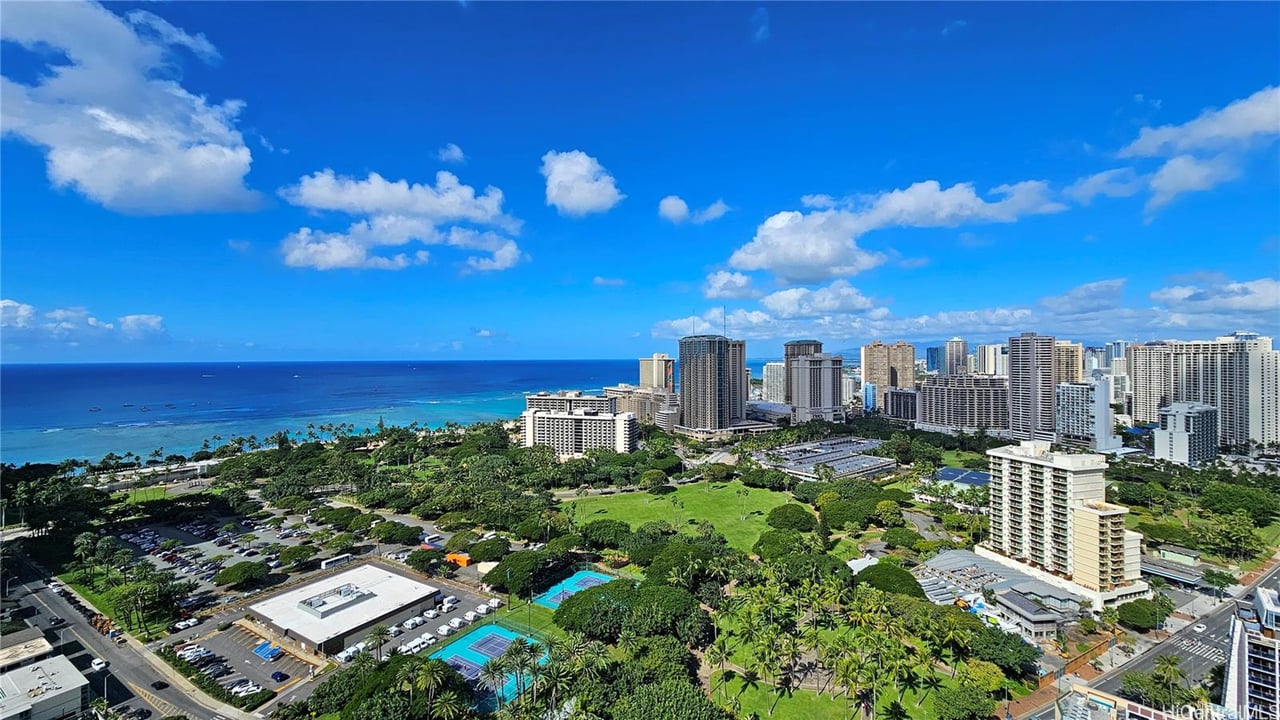
In communities like Ward Village, Kakaʻako, and Ala Moana, many residents enjoy walking to restaurants, cafés, shopping, parks, and the waterfront instead of driving. That kind of walkability becomes an everyday convenience and can be just as valuable as another resident lounge or game room.
Ward Village, for example, was designed as a master-planned community centered around parks, retail, dining, wellness, and pedestrian-friendly streets. Park Lane also offers direct private elevator access to Ala Moana Center. For many buyers, the best lifestyle comes from combining outstanding building amenities with a neighborhood that encourages living outside your front door.
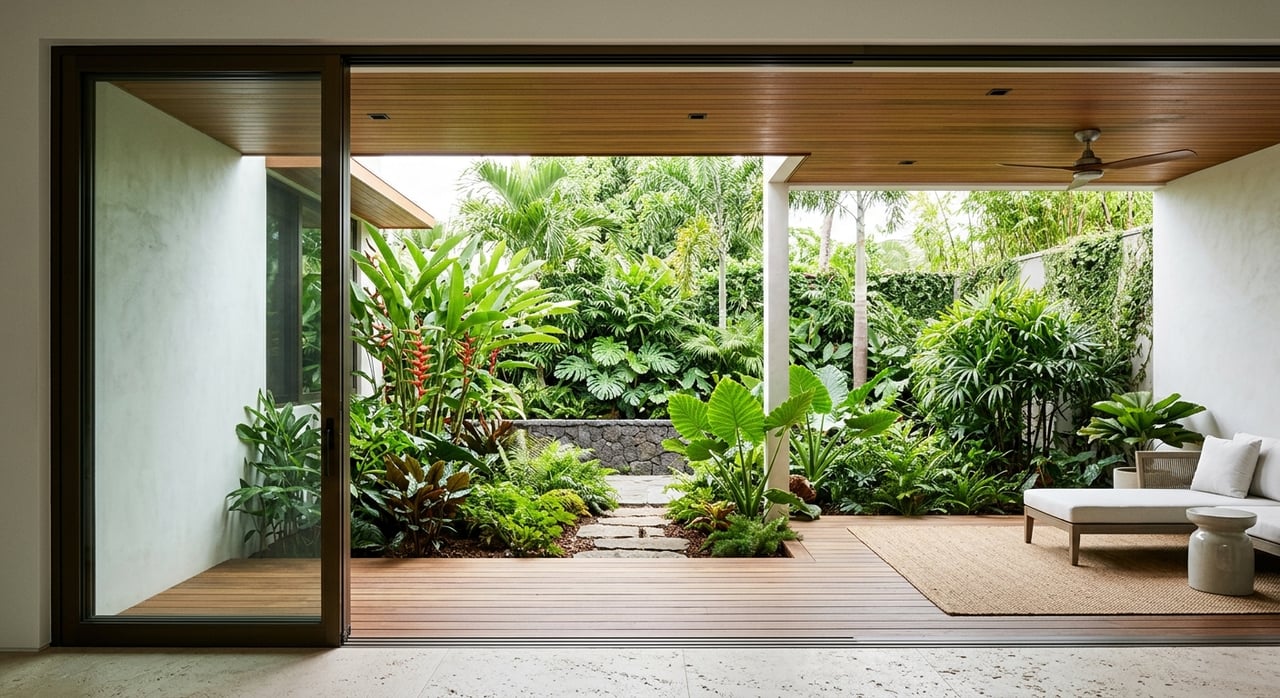
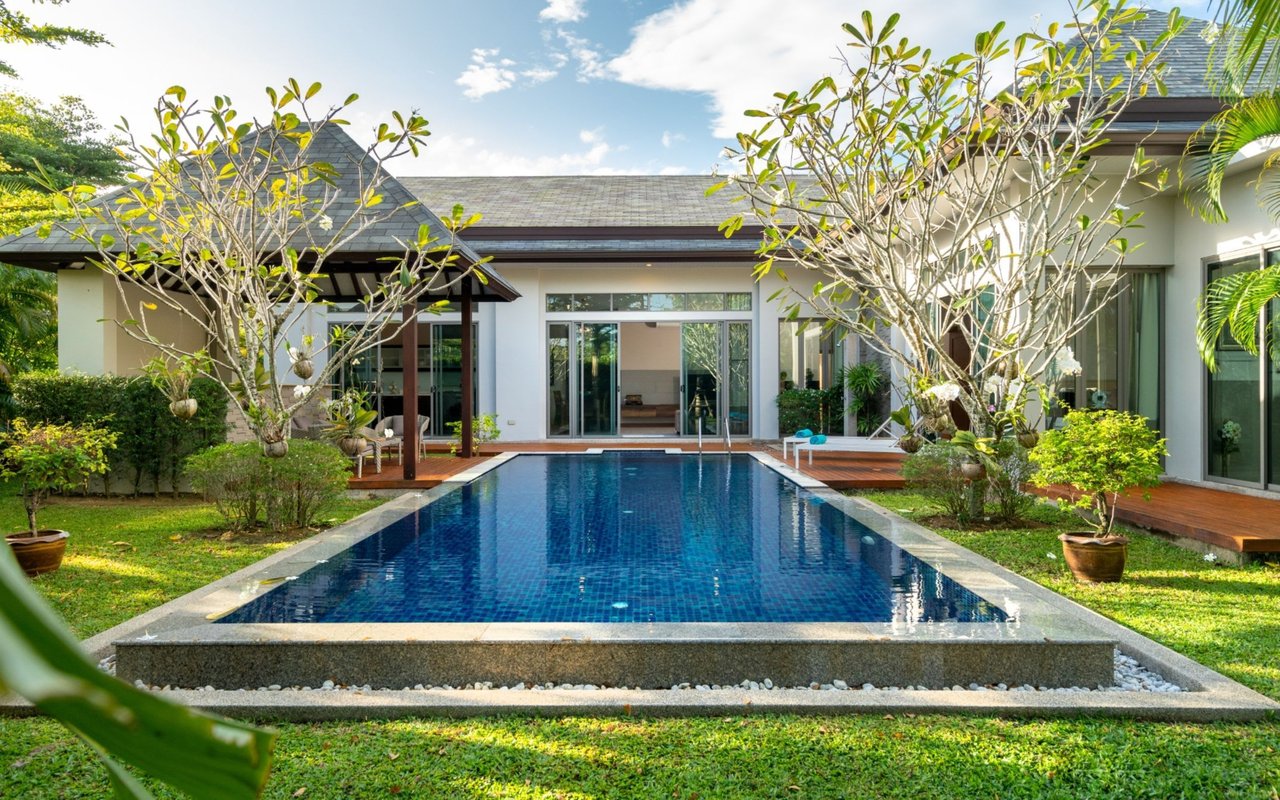
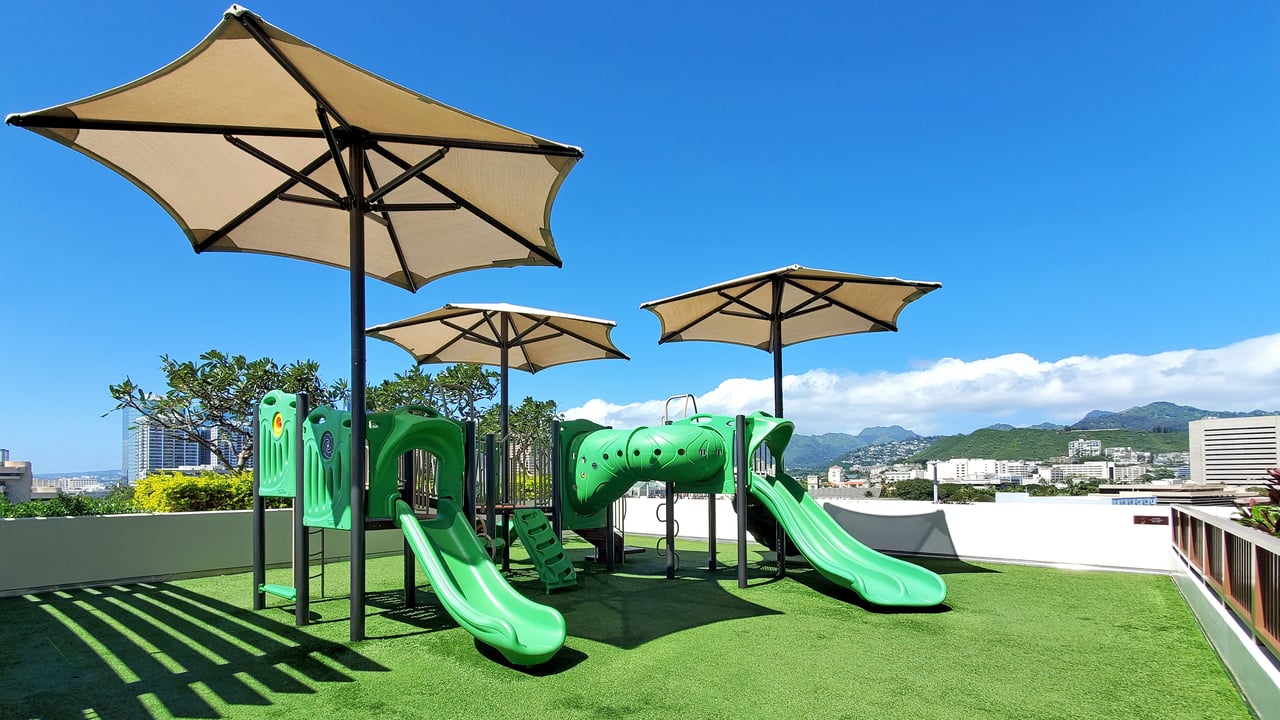
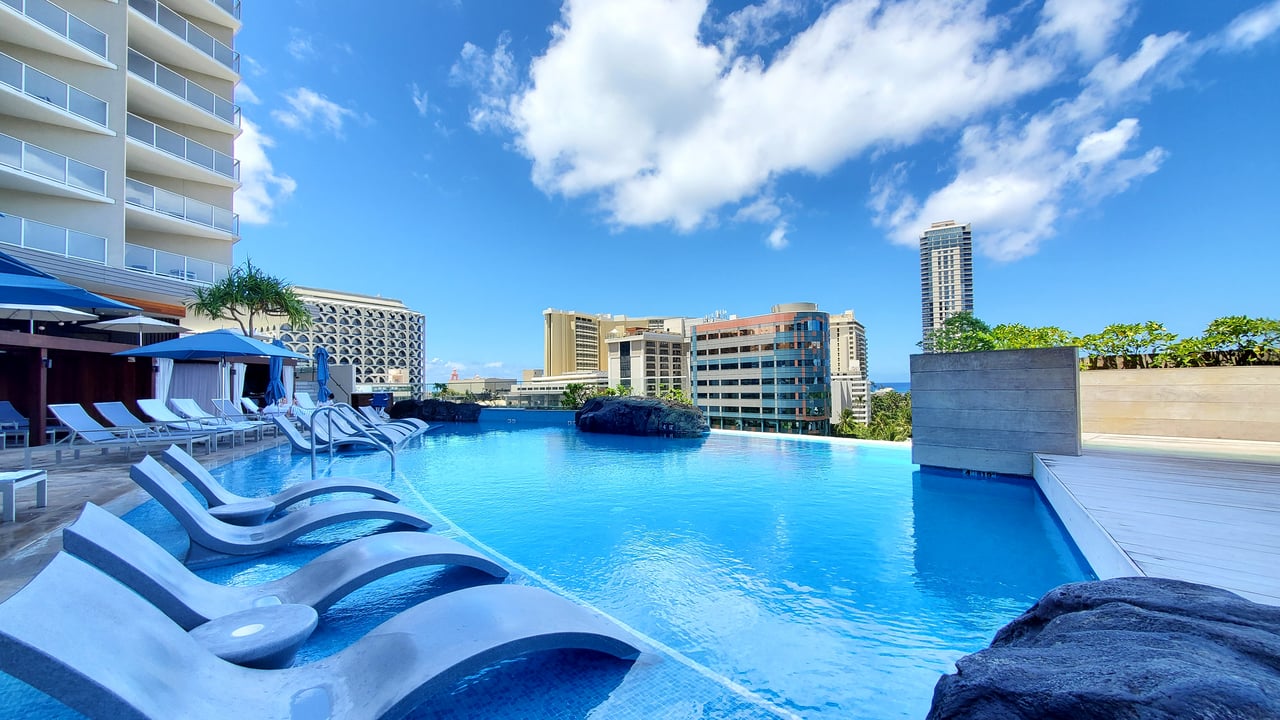
Because Honolulu supports indoor-outdoor living nearly year-round, outdoor amenity spaces deserve extra attention. This includes pools, lap pools, lanais, cabanas, lawns, terraces, outdoor kitchens, and shaded lounge areas.
Several newer luxury towers reflect this lifestyle. Waiea features an ocean-facing infinity-edge pool with resort cabanas, while Kōʻula includes a resort-style pool, cabanas, landscaped lawns, and terraces. The Park Ward Village centers its amenity deck around tropical gardens, recreation spaces, pools, and outdoor dining areas.
When touring, don't just admire the views. Notice how comfortable the outdoor spaces actually feel. Mature landscaping, shaded seating, and protection from the afternoon sun often determine whether you'll use the space every week or only occasionally.
In Honolulu, a thoughtfully designed outdoor amenity deck often functions like an extension of your own living room.
For many buyers, a luxury condo is more than a place to live; it's where they begin and end each day. That's one reason wellness amenities have become a defining feature of Honolulu's newest luxury buildings.
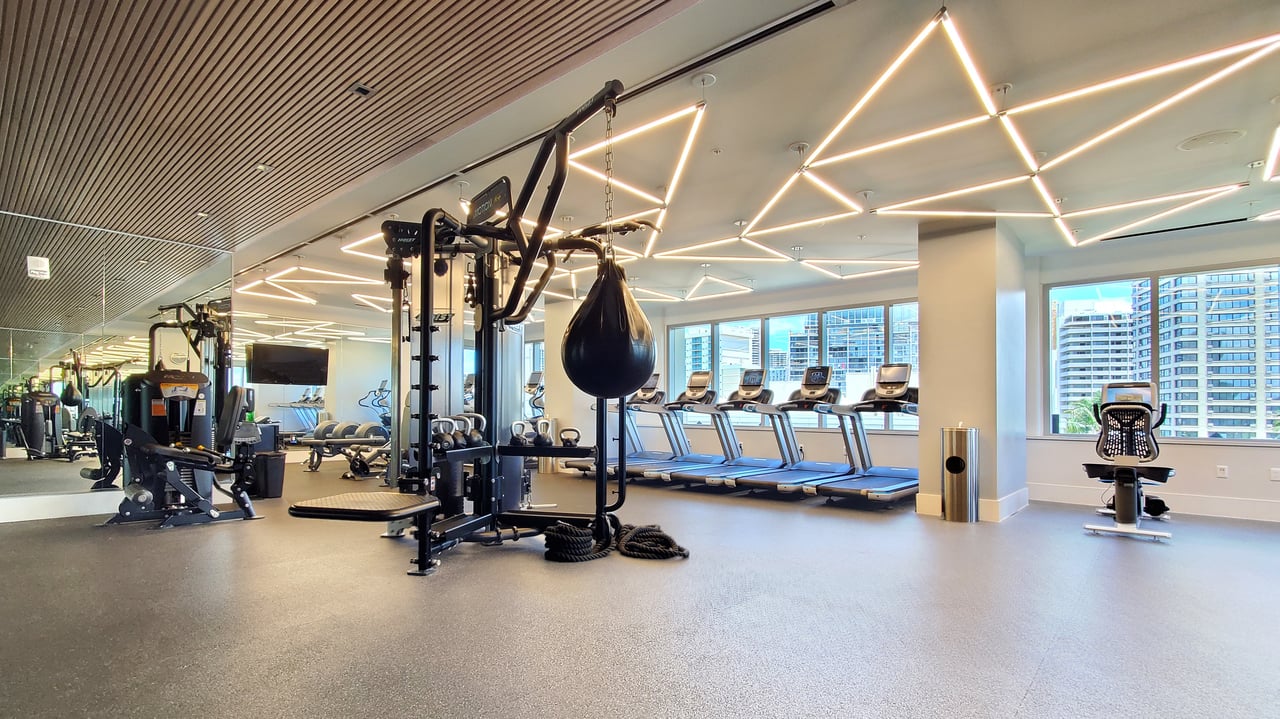
Waiea includes a yoga studio, steam room, sauna, treatment rooms, and locker facilities. Park Lane emphasizes a private spa, yoga studio, fitness center, and resort-style pool. Ālia's planned amenity program includes a spa with hot and cold therapy, a cold plunge, and a fitness center.
If you exercise regularly, these amenities may provide more value than you initially expect. Having a high-quality gym or recovery space just an elevator ride away can eliminate another trip across town and make healthy routines much easier to maintain.
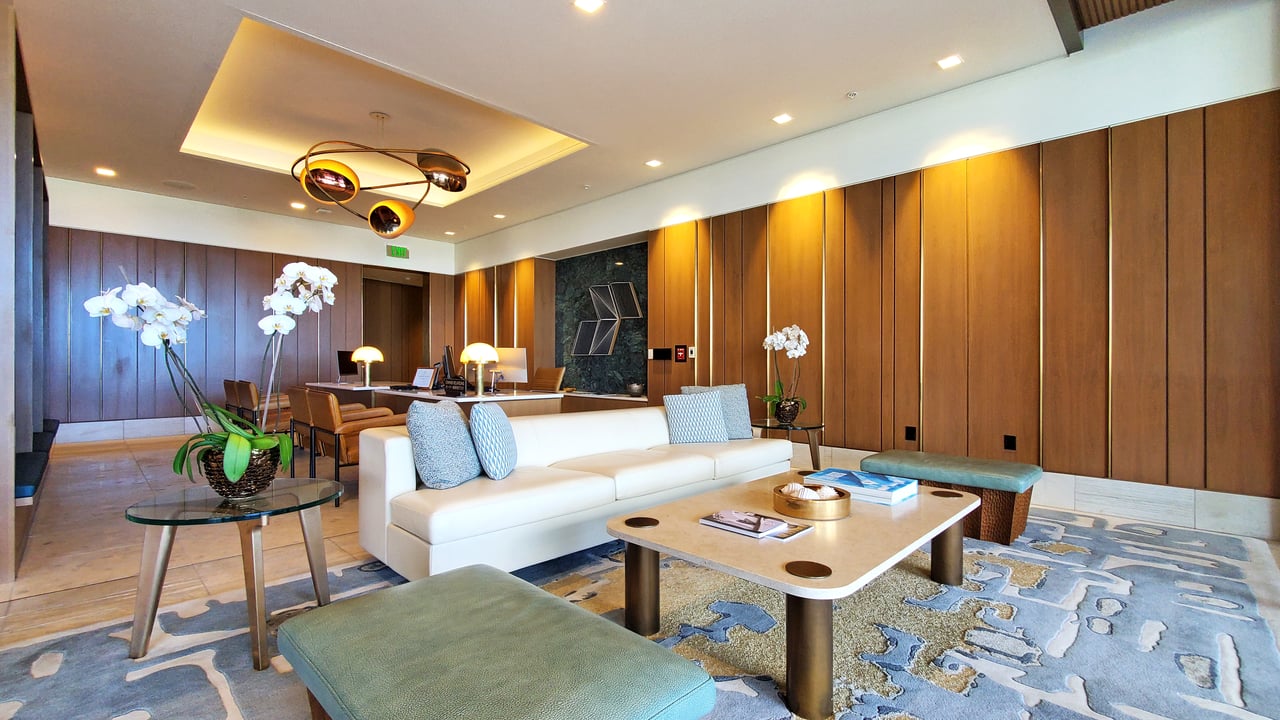
If you enjoy entertaining, host visiting family, or regularly welcome friends from the mainland, shared hospitality spaces can be surprisingly valuable.
Waiea pairs private dining rooms, a chef's kitchen, a cinema, library, and guest suites with its broader amenity collection. Victoria Place offers indoor-outdoor gathering spaces across multiple levels, while Kōʻula features a sunset lounge and spacious outdoor terraces designed for entertaining.
These shared spaces provide flexibility without requiring you to purchase a significantly larger residence. Since many Hawaiʻi homeowners regularly host visiting family and friends, guest suites and reservable entertaining spaces often receive far more use than buyers initially expect.
Some of the most useful amenities aren't the ones that appear on the cover of the sales brochure. Parking, security, package handling, valet service, and attentive building staff often improve everyday life more than dramatic showpiece amenities.
Park Lane is a strong example, offering residential specialists, valet service, parcel delivery, door-to-door assistance, and private elevator access to Ala Moana Center. Ward Village also emphasizes EV charging, secure parking, and on-site security.
In Honolulu, convenience often means reducing the need to drive. Whether it's walking to dinner, picking up groceries nearby, or avoiding another cross-town trip, small conveniences add up over time.
One feature that many mainland buyers don't think to ask about is storage for an active island lifestyle.
If your weekends include surfing, paddleboarding, cycling, golfing, or spending time at Ala Moana Beach Park, having convenient storage for boards, bikes, or beach gear can make everyday living much easier.
While every building is different, it's worth asking whether secure bike storage, surfboard storage, equipment rooms, or wash stations are available. These practical details often become more valuable than another lounge or meeting room once you've settled into island life.
If resale value is part of your decision, broad-use amenities generally offer the strongest long-term appeal. In Honolulu, those tend to include outdoor gathering spaces, wellness facilities, guest accommodations, practical service amenities, and easy access to parks, beaches, shopping, and dining.
This is another reason neighborhood context matters. A building doesn't need to include every possible amenity if the surrounding community already supports the lifestyle buyers are looking for.
The most desirable luxury condos typically strike the right balance between thoughtfully designed private amenities and a location that encourages residents to enjoy everything Honolulu has to offer.
The best luxury condo in Honolulu isn't necessarily the one with the longest amenity list. It's the one whose amenities naturally fit the way you live.
If your ideal morning starts with coffee on the lanai, a walk through Kakaʻako, a swim before work, or dinner within walking distance, those experiences will likely matter far more than amenities you rarely use.
When comparing luxury condos, focus less on how impressive the amenity package looks and more on how often you'll actually use it. The buildings that deliver the greatest long-term value are usually the ones that make everyday life more enjoyable, not just the ones with the biggest list of luxury features.
Choosing the right luxury condo in Honolulu is not about finding the building with the longest amenity list. It is about finding the one that fits your rhythm, supports your priorities, and feels easy to live in over time. If you want help comparing Honolulu luxury condos with a local, design-aware perspective, Diane Ito can help you narrow the options and find the right fit.
Specializing in mid-century, modern Hawaii homes, her desire to broaden the scope of the service has been successfully achieved as a 5-time award winner of the Top 100 agents in Hawaii by Hawaii Business Magazine.