Explore Honolulu Architecture, Design, and Culture
If design is how a place breathes, Honolulu will take your breath away. From open-air lanais to world-class museums and lively murals, the city layers architecture and culture in a way you can see, feel, and live in every day. Whether you are a homeowner, a curious visitor, or a future buyer, this guide helps you experience Honolulu through a design lens, with practical tips for touring, photographing, and shopping for homes.
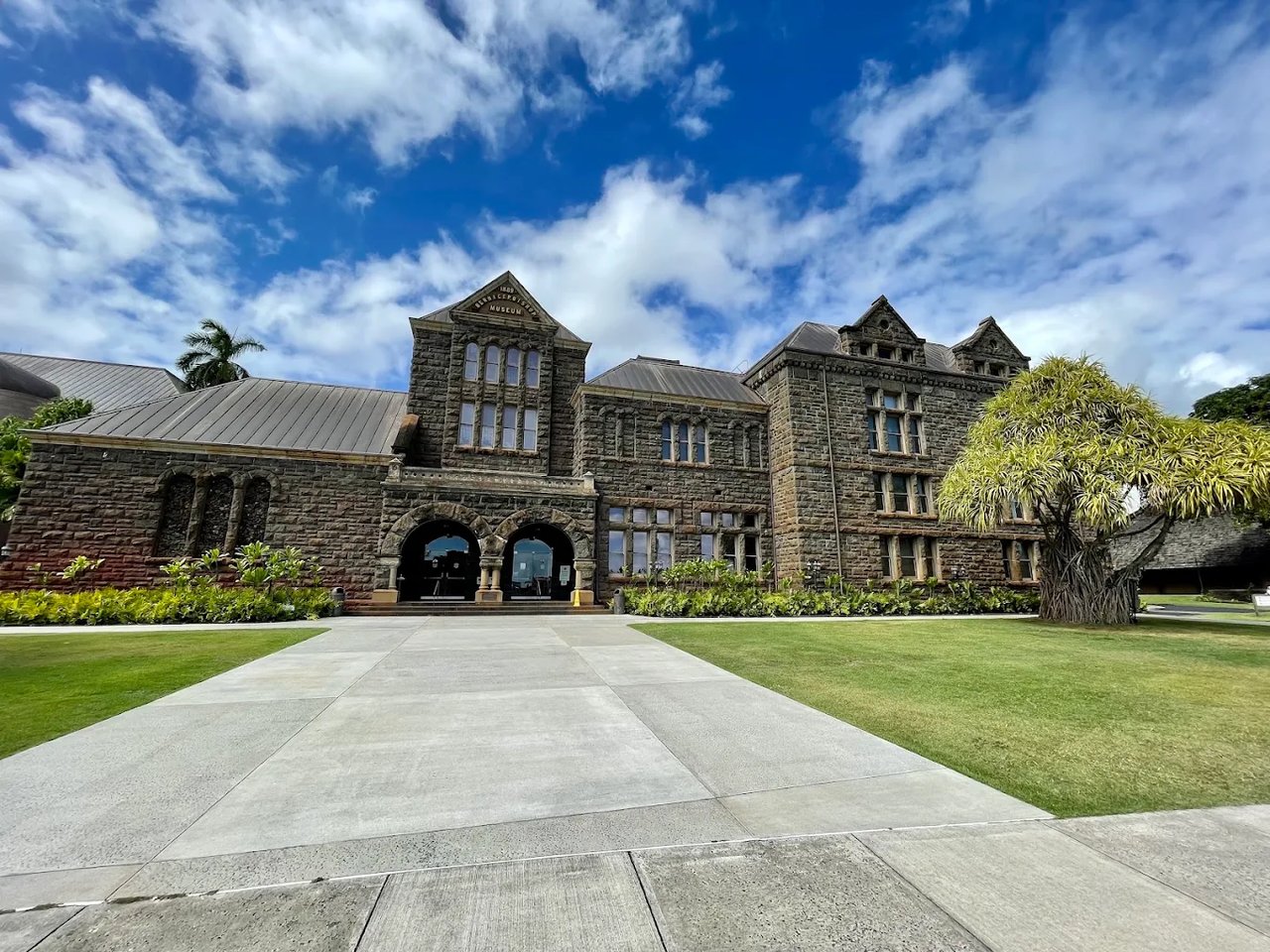
Honolulu’s built story spans centuries. Traditional Native Hawaiian hale were open, thatched structures oriented to trade winds and community, a climate-smart foundation you can still explore through material culture at the Bishop Museum.
Missionary and monarchy eras introduced Western building types and civic formality, with sites like ʻIolani Palace anchoring Honolulu’s historic core. Plantation-era neighborhoods added hybrid homes that still shape everyday life.
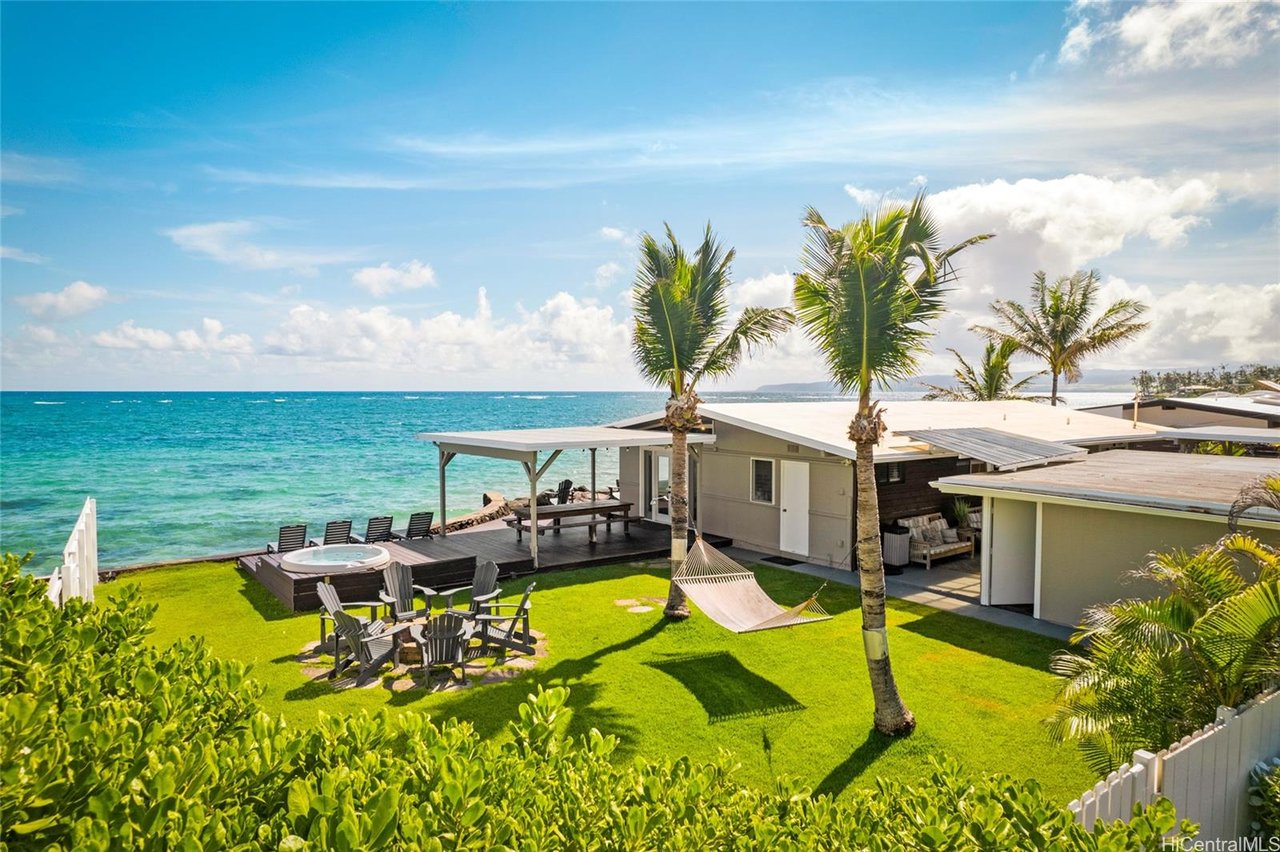
Tropical modernism gave Honolulu its signature residential look: cross-ventilation, deep overhangs, screened facades, and seamless indoor-outdoor flow. For background on this movement and its leading visionary, Vladimir Ossipoff, see the concise overview of Hawaiian Modern curated by Dean Sakamoto via Yale University Press.
Today, master-planned districts like Ward Village in Kakaʻako bring high-rise design to the waterfront, while murals and street-level art programs energize the public realm. It adds up to a city where you can study history in the morning and photograph glass towers by sunset.
Traditional Hawaiian architecture favored breathable forms and local materials. Structures were set to catch trade winds and support community use. To understand the craft and meaning behind these forms, visit the Hawaiian Hall and related collections at the Bishop Museum.
In Honolulu’s civic core, monarchy-era and missionary buildings introduced formal plans and masonry details. The contrast with later tropical modern homes shows how the city adapted global ideas to local climate and culture. Stroll the area to see how scale and ornament evolved over time.
Plantation communities blended materials and building habits from many cultures. Simple wood homes, generous porches, and practical layouts continue to influence how neighborhoods feel across Oʻahu. This layer gives context to why certain streets and rooflines look the way they do today.
Honolulu’s postwar modernists tuned buildings to the island climate. Look for:
If you want a clear primer with historical context, the Hawaiian Modern exhibition catalog remains a trusted reference from Yale University Press.
Perched on Tantalus, the Liljestrand House is a living lesson in tropical modernism, from airy volumes to lanai life. Tours are ticketed and offered by appointment through the Liljestrand Foundation. Check dates and book directly with the Liljestrand House.
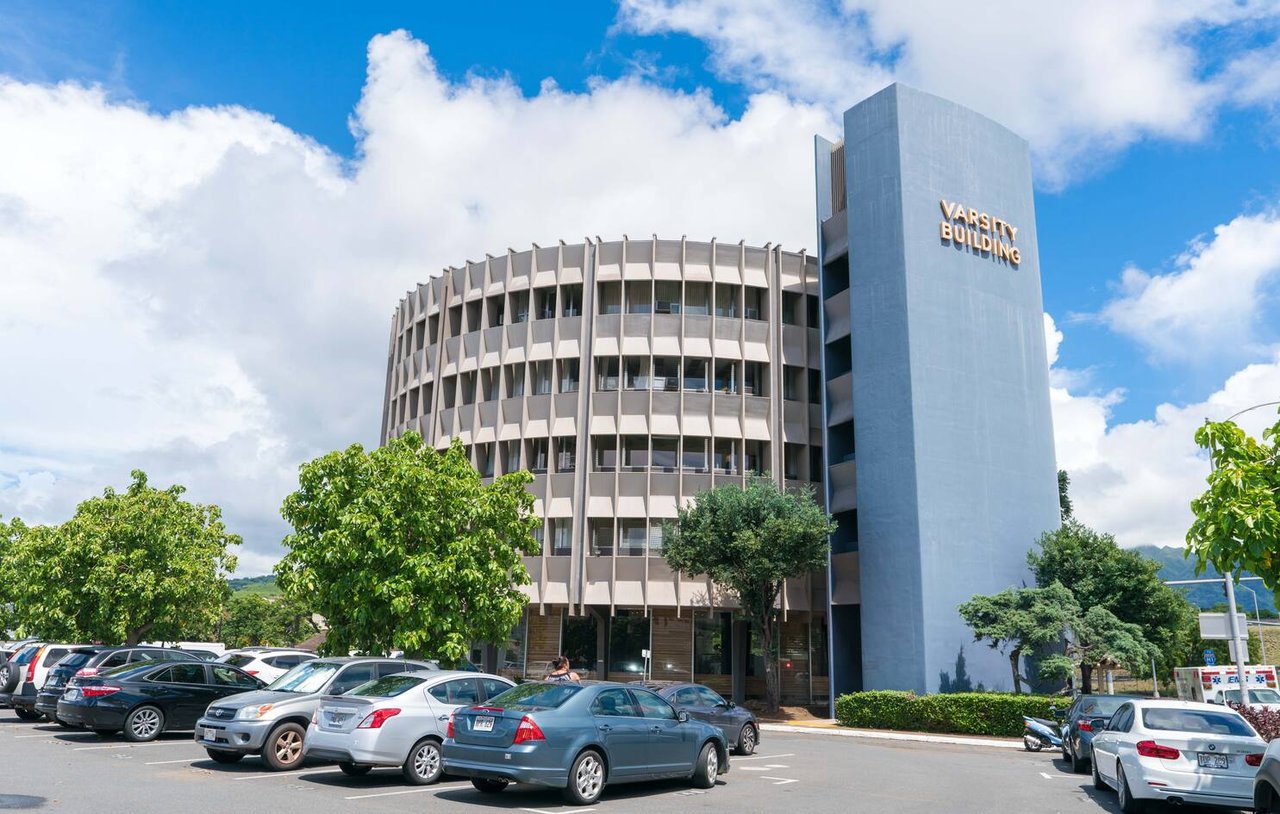
In Kakaʻako, the mid-century IBM Building showcases a precast concrete screen that softens sun and frames views. It is a striking example of how technical details can create an iconic identity while improving comfort.
The Ward Village plan has brought international architects and local teams together to shape Honolulu’s new urban waterfront. Towers like Anaha emphasize sculptural forms, views, and an active street edge with retail and community spaces. For a detailed look at Anaha’s architecture, see the project profile on ArchDaily.
Kakaʻako’s street grid doubles as an outdoor gallery. The POW! WOW! festival has invited artists from around the world to transform blank walls into large-scale murals, adding color and texture to the neighborhood experience. Explore the event’s background and artist lineup at POW! WOW!.
If you are scouting homes, these elements signal climate-smart design and timeless appeal:
For inspiration and context, HoMA’s programs often highlight architectural screens and details that connect art and building craft. Explore current programs at the Honolulu Museum of Art.
High-interest sites such as Liljestrand House and Shangri La are ticketed and require advance reservations. Always confirm current schedules and book directly with the organizations. Use HoMA for Shangri La coordination and the Liljestrand Foundation for the Tantalus home.
If you own or are considering a historic or mid-century property, learn how state and county review may affect renovations, tax credits, and timelines. The Historic Hawai‘i Foundation provides a clear overview of programs and processes. Start with the guide for owners at the Historic Hawai‘i Foundation.
Salt air can corrode metalwork, and termites are a reality across the islands. Passive cooling strategies help reduce mechanical loads. If you are planning a purchase or renovation, consult local specialists about coastal construction practices, materials, and maintenance schedules suited to your property’s microclimate.
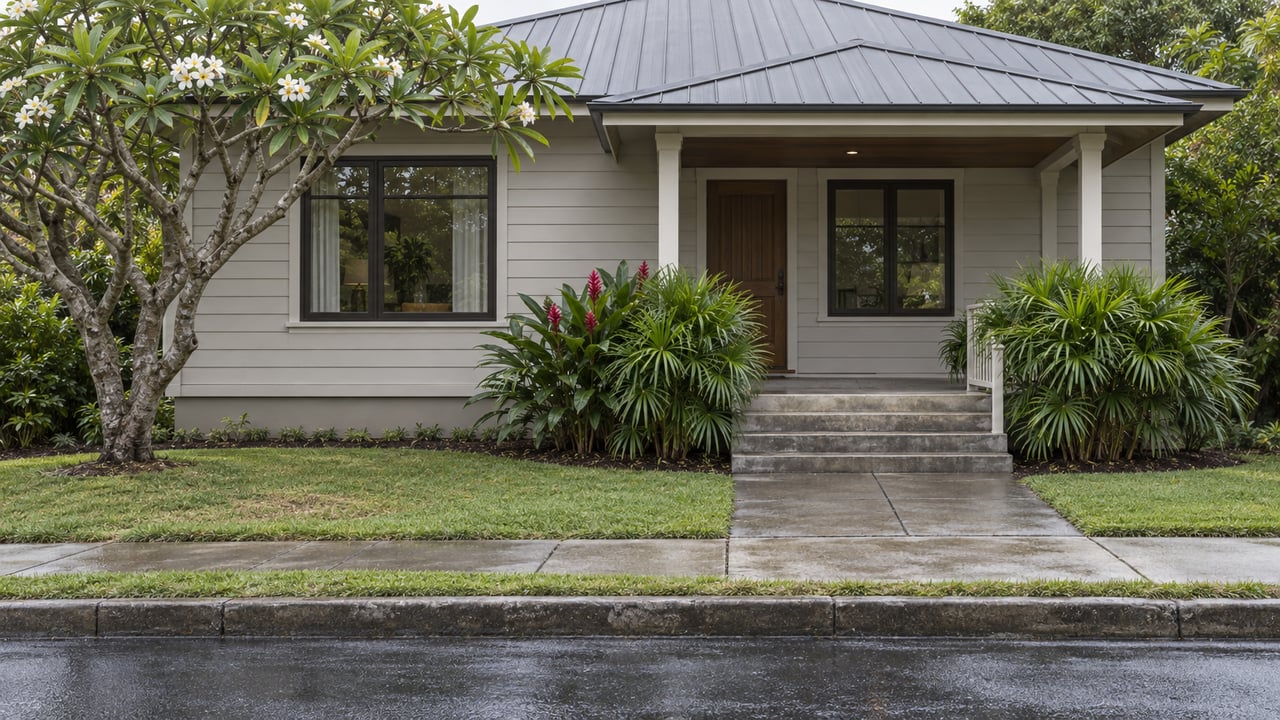
If you love architecture with a sense of place, central Honolulu offers a rich mix. In the valleys and hills of Manoa and Makiki, you will find mid-century homes with generous lanais, deep overhangs, and wood detailing that frame lush views. Closer to town, you will see classic plantation-influenced bungalows and contemporary condos that put you near museums, dining, and the Kakaʻako art scene.
As you tour, note how homes orient to breezes and daylight rather than just square footage. Details like louver banks, courtyards, and well-placed shade can elevate comfort and value. When you partner with a design-savvy local advisor, you can read these cues quickly and focus on the homes that fit your lifestyle.
If you want a home that lives beautifully in Honolulu’s climate, or you are preparing to bring a mid-century or modern property to market, you deserve a people-first partner with architectural sensitivity and premium presentation. With deep neighborhood insight in Manoa and central Honolulu, boutique staging, curated vendor coordination, and the reach of Coldwell Banker Global Luxury, Diane Ito helps you navigate, present, and negotiate with confidence. Request a Personal Consultation to start a thoughtful, results-driven plan.
Specializing in mid-century, modern Hawaii homes, her desire to broaden the scope of the service has been successfully achieved as a 5-time award winner of the Top 100 agents in Hawaii by Hawaii Business Magazine.