Buying a Mid-Century Home in Honolulu: What to Know
If you are drawn to a mid-century home in Honolulu, you are probably looking for more than square footage. You want a home with character, indoor-outdoor flow, and a connection to place that newer properties often cannot replicate. Honolulu has a remarkable collection of architecturally significant mid-century homes, but buying one takes careful review. This guide will help you understand what makes these homes special, what condition issues to watch, and how to approach due diligence with confidence.
Honolulu mid-century homes are often best understood as Hawaiian tropical modernism, a regional expression of mid-century design shaped by climate, topography, and outdoor living. Rather than copying mainland styles, many of these homes were designed to capture trade winds, frame views, and respond to sloped sites and natural materials. University of Hawaiʻi archival material describes this architecture as deeply tied to the environment and the experience of living with it (archival descriptions of Hawaiian tropical modernism).
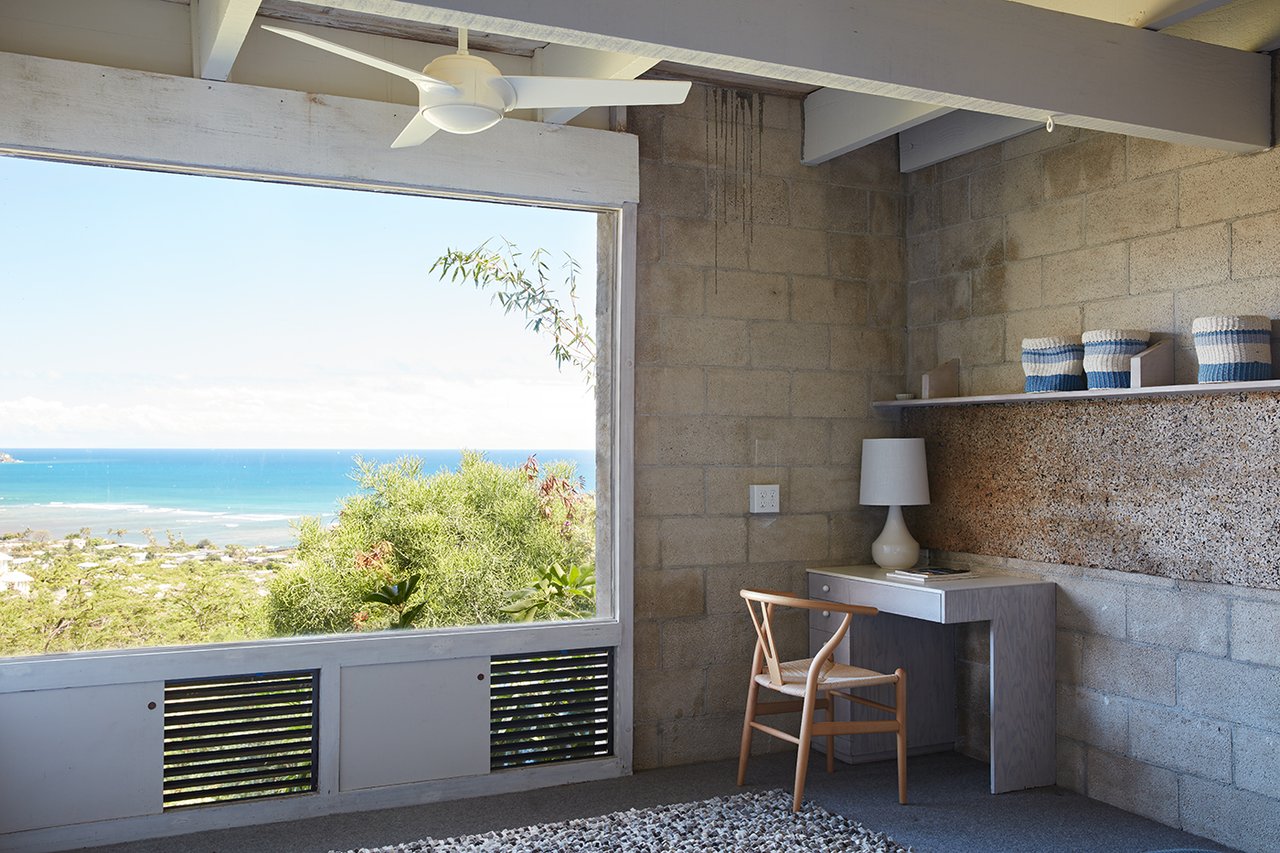
In practical terms, that often means a home with lanais, large glass areas, sliding doors, jalousie windows, screens, and open circulation spaces. A Library of Congress record for the Mary Atherton Richards House highlights how these elements were used to take advantage of Honolulu’s climate. If you love homes that feel airy, light-filled, and connected to the landscape, this is likely part of the appeal.
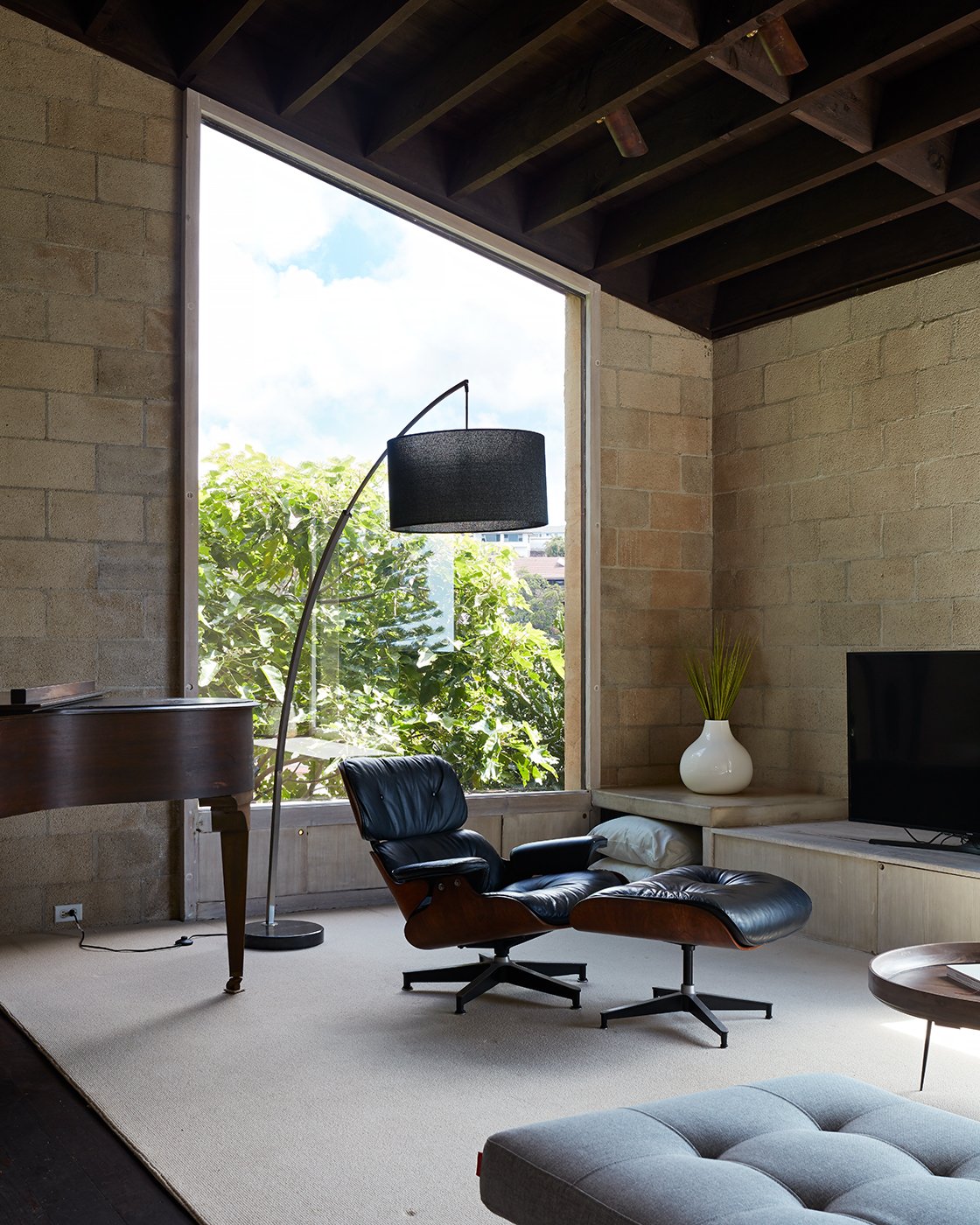
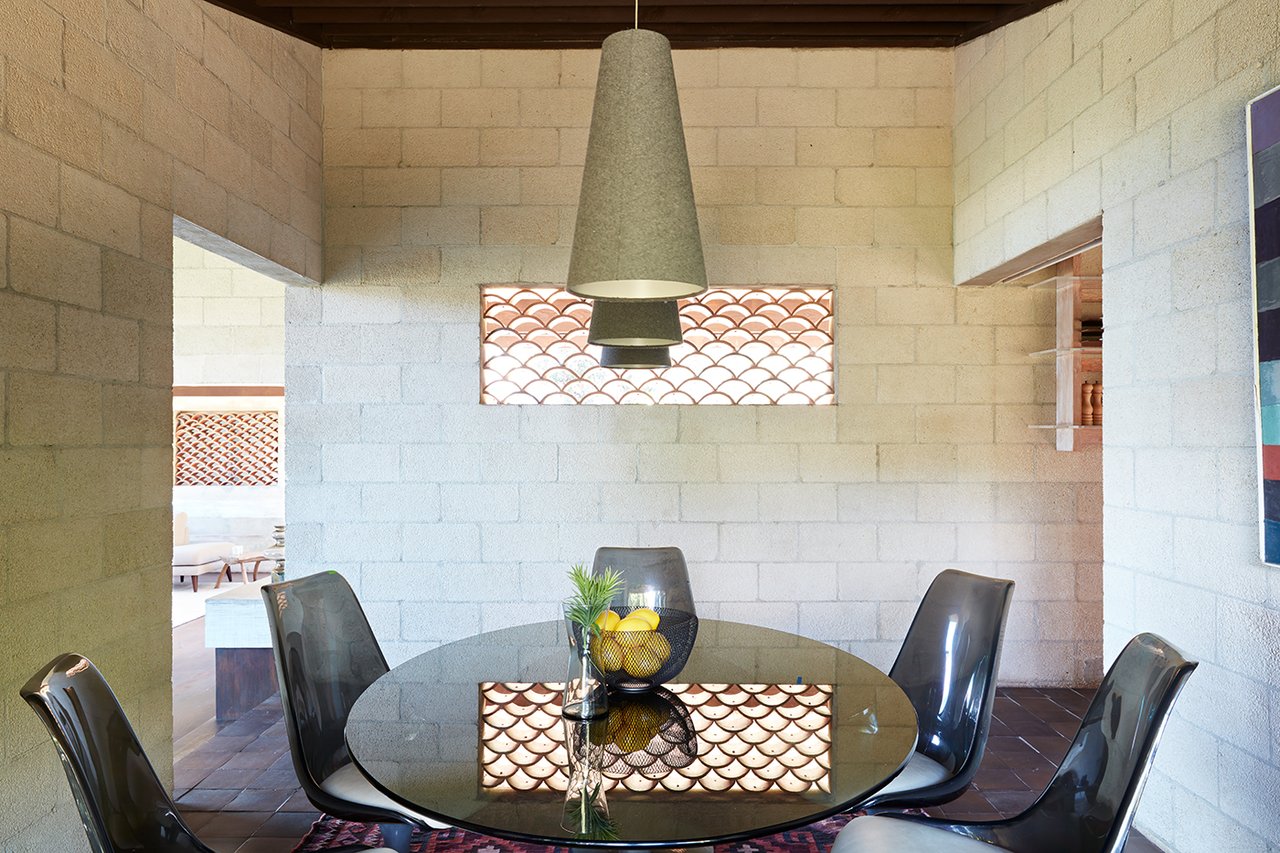
Another signature detail is the use of breezeblocks, which help balance sunlight and airflow. Researchers at the University of Hawaiʻi have documented more than 2,000 breezeblock sites across the community and describe them as an iconic mid-century feature in Honolulu (UH breezeblock research). These features are more than decorative. They are part of how many homes were designed to function in the local environment.
When you buy a mid-century home in Honolulu, some of the most valuable features may be the ones that give the home its original rhythm and feeling. This can include lanai proportions, screen walls, original window patterns, roof form, built-ins, and the relationship between enclosed rooms and outdoor space. In many Honolulu examples, these elements are central to the home’s architectural identity.
If the home was designed with strong indoor-outdoor flow, preserving that quality usually matters more than chasing every modern trend. A house that opens naturally to the site, catches breezes, and frames a view often feels special because of those original design decisions. Preserving them can also help maintain long-term appeal.
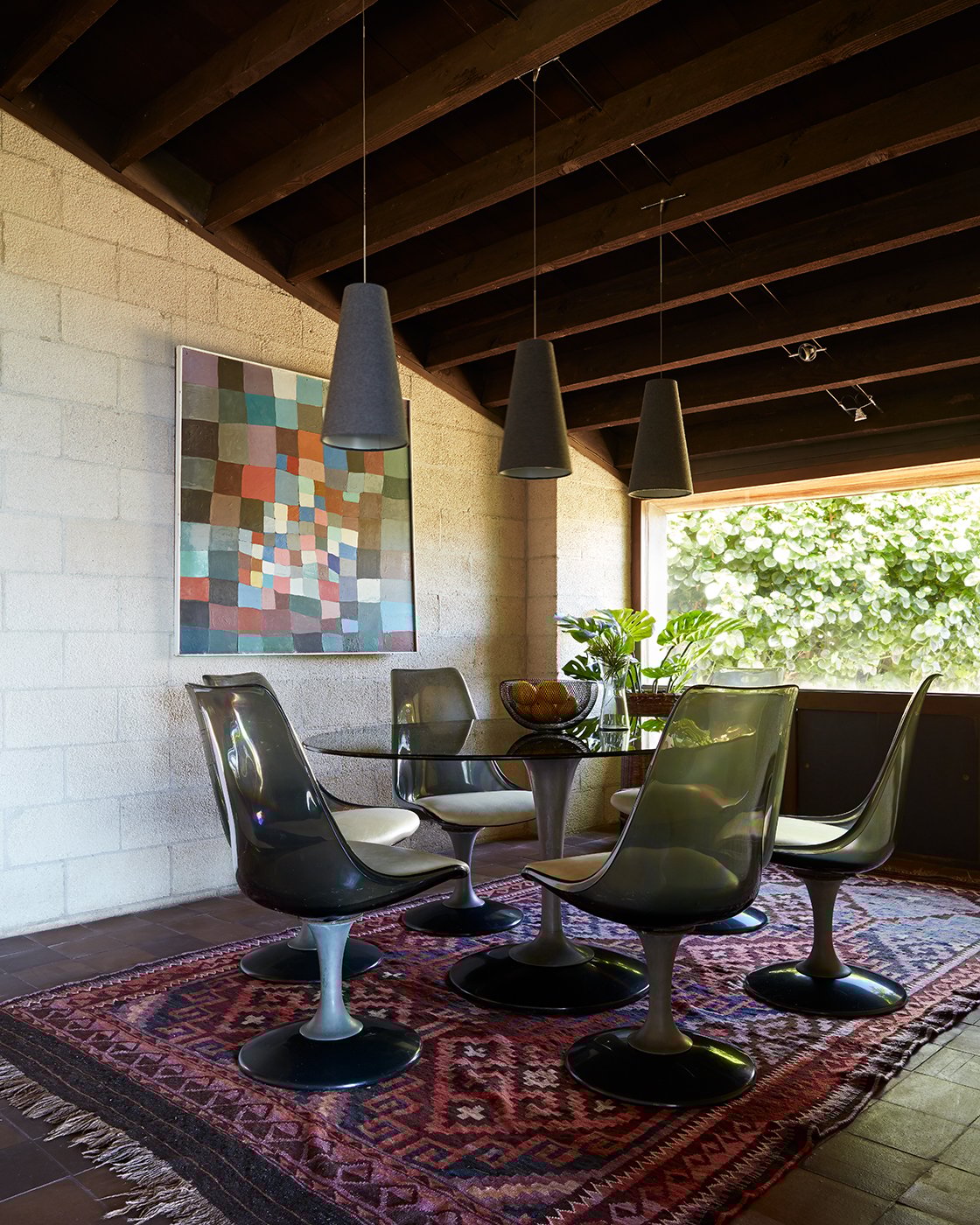
You may also want to pay attention to original materials. Honolulu mid-century homes often combine reinforced concrete, concrete masonry units, wood, and natural materials such as lava rock walls. These materials are part of the regional character described in local documentation and can be worth retaining when they remain functional and in sound condition.
Older homes can be rewarding, but they also come with maintenance questions. In Honolulu, one of the biggest concerns is termites. The University of Hawaiʻi notes that the Formosan subterranean termite is the single most damaging insect pest to homes and other structures in Hawaiʻi (UH termite guidance).
This matters even more in older homes with wood framing, built-ins, or exterior wood details. Subterranean termites live in the ground and build mud tubes to reach food sources, which means damage can build quietly before it is obvious. For buyers, that makes a careful inspection and a clear understanding of past treatment and maintenance especially important.
Concrete and metal elements also deserve attention. Local engineering research on Honolulu concrete structures found that carbonation and chloride contamination can contribute to corrosion-related deterioration, with preventive repair and maintenance recommended (UH engineering summary). If a home has concrete lanais, balconies, retaining walls, or steel railings, look closely for cracking, spalling, rust, and older patch repairs.
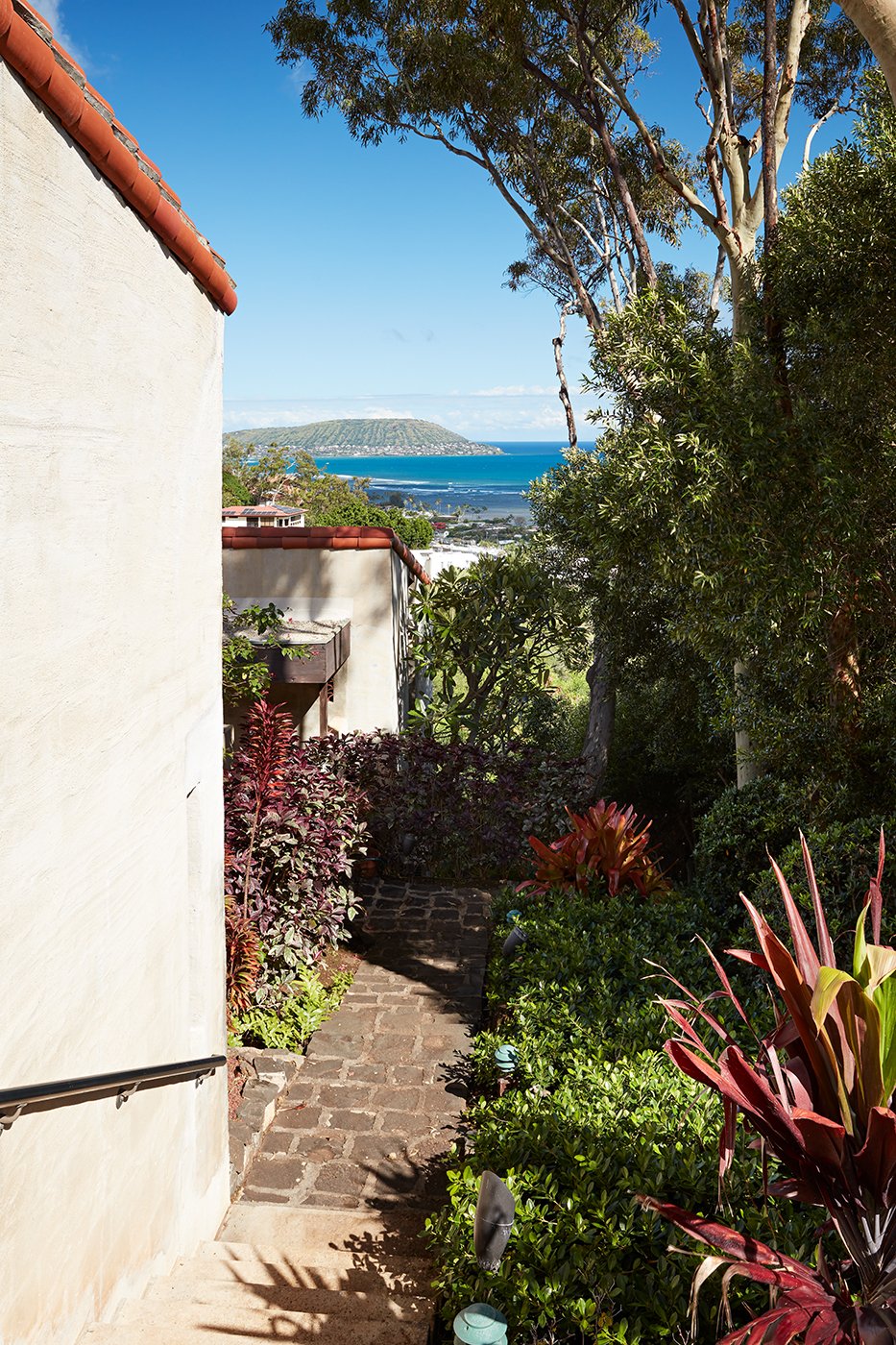
Landscaping can affect condition too. Hawaiʻi Extension guidance notes that trees can help shade walls and channel trade winds, but plants too close to the home can trap moisture, interfere with airflow, and make maintenance harder. Roots can also damage foundations and hardscape (Hawaiʻi landscape guidance). In a mid-century home, landscaping is part of the experience, but it should also support the building’s durability.
Buying any older home requires extra diligence, and in Honolulu that process can be more layered. One of the first questions to ask is whether the property is listed on the Hawaiʻi Register of Historic Places or sits within a historic district. According to the State Historic Preservation Division, listed private properties may be eligible for county property tax benefits, and alterations to listed properties are subject to review under HRS 6E-10.
It is also important to know that review can be triggered by more than a major remodel. The SHPD states that state or county permits, land use changes, subdivisions, or other entitlements may require review if they affect a historic property (SHPD state review and compliance). That does not automatically prevent changes, but it does affect how you plan them.
There is also a useful exemption for some buyers to know. Projects limited to the building envelope of single-family dwellings and townhouses that are more than 50 years old and not listed on the Hawaiʻi Register are exempt from 6E-42 review, although regular city permits may still be required. That is one reason permit history matters so much when you are evaluating an older property.
If the home is near the coast, your due diligence should expand further. Honolulu’s Special Management Area covers land from the mauka boundary to the shoreline, and development within that area is subject to review under Chapter 25 of the Revised Ordinances of Honolulu. The city’s shoreline setback rules generally place the setback line 60 feet mauka of the certified shoreline in many areas after July 1, 2024, with location-specific adjustments based on erosion rate (Honolulu ROH Chapter 25).
Flood risk should also be verified using current tools rather than assumptions or older maps. According to Resilient Oʻahu flood guidance, updated Oʻahu flood insurance rate maps become effective June 10, 2026, and standard homeowners insurance does not cover flood damage. If flood exposure is a possibility, it is smart to understand insurance requirements and costs early in the buying process.
In many cases, Honolulu buyers should ask for:
These records can help you understand not only what was changed, but whether the work appears to have followed the proper process.
A well-updated mid-century home does not have to feel frozen in time. In fact, some of the best renovations improve daily comfort while preserving the design moves that make the home special. In Honolulu, that often means updating kitchens, baths, plumbing, electrical, and mechanical systems while keeping visible character-defining features intact.
A local historic rehabilitation example in Honolulu shows how a renovation can modernize amenities, add air conditioning, restore wood floors and historic windows, update plumbing and electrical, and replace non-historic jalousie windows with more period-appropriate windows. That kind of approach tends to respect the home’s original intent while supporting modern living.
If you are evaluating a renovated home, ask whether the updates support the original architecture or compete with it. The strongest renovations usually keep the home’s window rhythm, roofline, lanai relationship, and indoor-outdoor flow. They make the home easier to live in without erasing what made it worth buying in the first place.
For most buyers, the goal is not strict perfection. It is finding the right balance between architectural integrity, comfort, maintenance, and long-term value. That balance will look different depending on the home, your budget, and whether the property has any historic designation.
A good rule of thumb is to protect the elements that shape the home’s identity first. Then focus your budget on systems, weather protection, and maintenance items that affect how the home performs. If the property may be historic or may be considered for listing later, the SHPD notes that integrity of materials, design, feeling, location, association, workmanship, and setting all matter (historic register guidance).
In other words, the best buying decision is often the one that sees both the romance and the responsibility. You are not just buying a style. You are buying a home shaped by Honolulu’s climate, landscape, and design history.
If you are serious about buying a mid-century home in Honolulu, it helps to approach the process with a design-sensitive and detail-oriented plan. That means understanding what to preserve, where to inspect more deeply, and which records to request before you remove contingencies.
Working with someone who understands architectural homes can help you evaluate both the visible character and the less visible risks. If you want thoughtful guidance as you search for a Honolulu mid-century property, connect with Diane Ito for a personal consultation.
Specializing in mid-century, modern Hawaii homes, her desire to broaden the scope of the service has been successfully achieved as a 5-time award winner of the Top 100 agents in Hawaii by Hawaii Business Magazine.