Mid-Century & Modern Homes in Honolulu: What Buyers and Sellers Should Know
If you're drawn to clean lines, walls of glass, and seamless indoor-outdoor living, Honolulu is home to some of Hawaiʻi's best mid-century and modern architecture. Whether you're exploring homes in Mānoa, Makiki, Tantalus, or Diamond Head, here's what to look for before buying or selling.
Why Mid-Century Design Works So Well in Honolulu
Honolulu's modern architecture flourished around the time Hawaiʻi became a state in 1959. Architects like Vladimir Ossipoff helped define what's now known as Hawaiian or tropical modernism.
Unlike many mainland designs, these homes were created specifically for Hawaiʻi's climate. They embrace trade winds, shade, natural light, and ocean views, making indoor-outdoor living part of everyday life.
Many of the best-preserved examples are still found in Mānoa, Makiki, Tantalus, and Diamond Head.
How to Identify a Mid-Century Honolulu Home
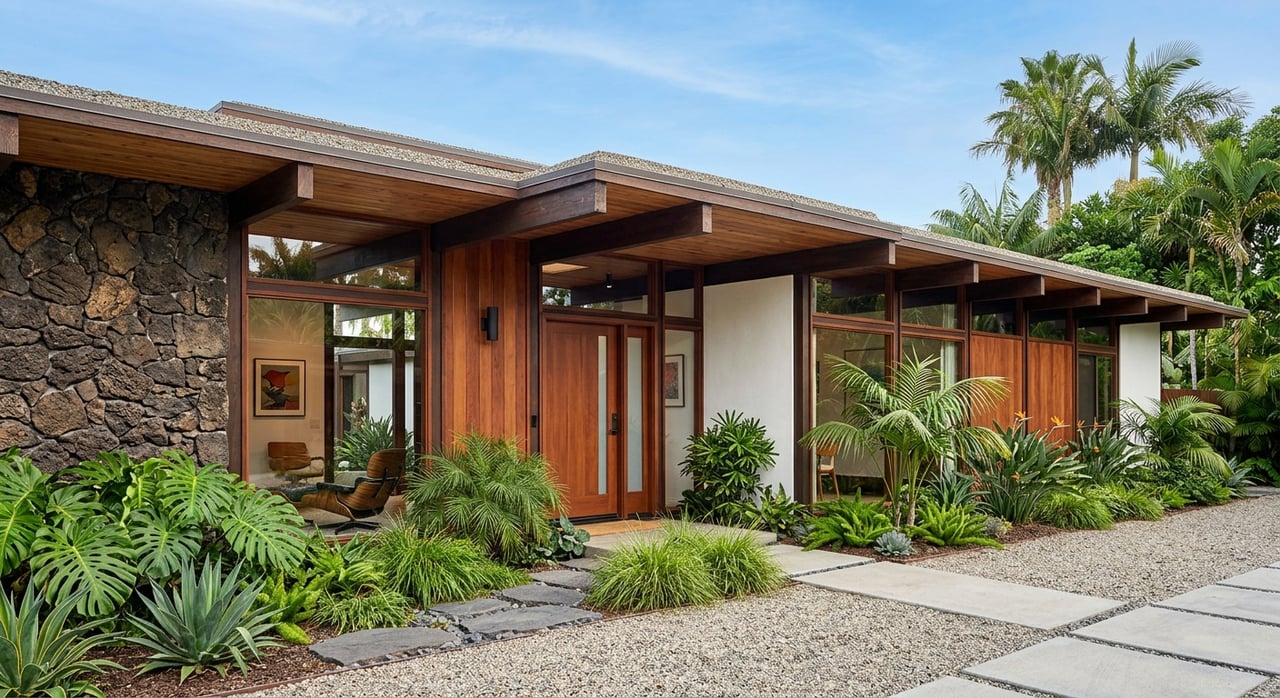
These homes prioritize simplicity, airflow, and connection to nature over decorative details.
Exterior Features
Common characteristics include:
- Low-profile forms
- Low-pitched roofs
- Deep overhanging eaves
- Large picture windows
- Sliding glass doors
- Carports
- Spacious lanais
These features aren't just aesthetic—they help the home stay comfortable in Honolulu's tropical climate.
Interior Features
Inside you'll often find:
- Open living and dining spaces
- Built-in cabinetry
- Open kitchen layouts
- Indirect lighting
- Paneled ceilings
- Sliding partitions or shoji-inspired details
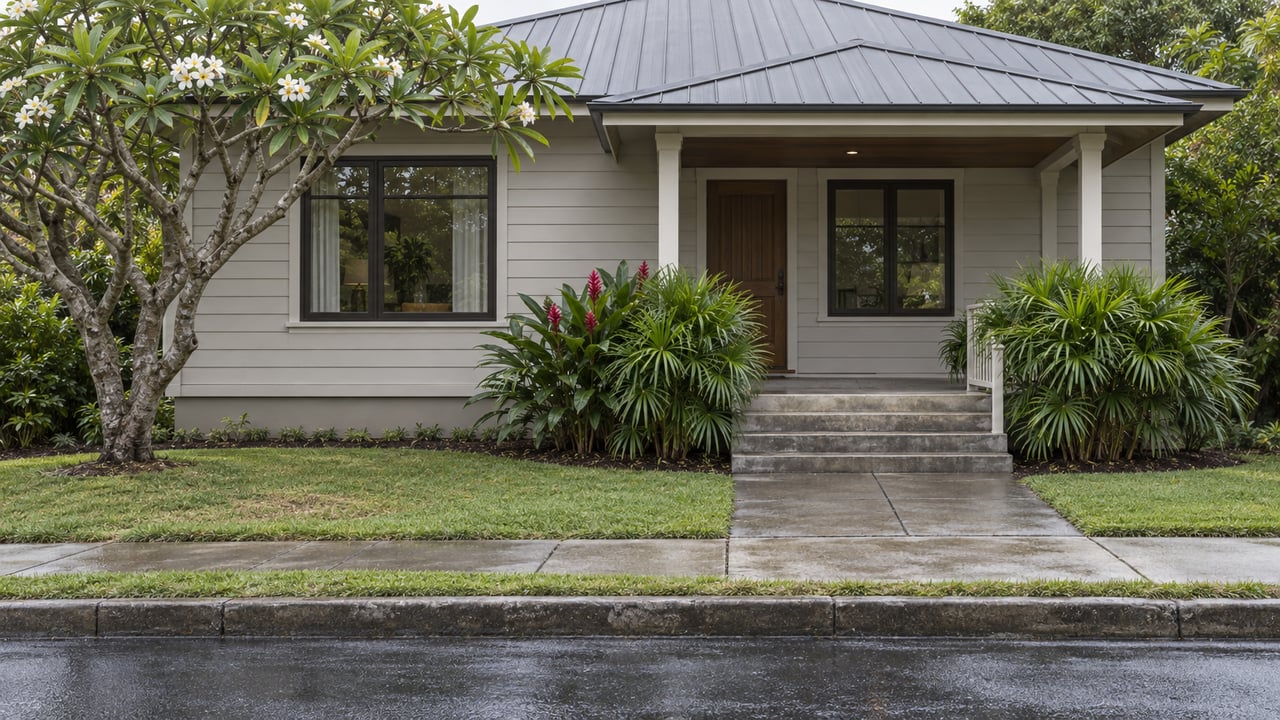
Many homes appear modest from the street before opening dramatically to views and outdoor spaces.
Materials That Reflect Hawaiʻi
Honolulu mid-century homes often feature materials that give them a distinctly local character, including:
- Redwood tongue-and-groove
- Concrete block
- Stained concrete floors
- Single-wall construction
- Koa wood
- Lava rock
- Coral pavers
- Glass block
What Makes Tropical Modernism Different?
Rather than separating indoors from outdoors, tropical modern homes blur the boundary between them. Orientation, natural ventilation, and views are treated as essential design elements, not afterthoughts.
That's a big reason these homes remain so desirable today.
Iconic Local Examples
Some of Honolulu's best-known modern homes include:
- Liljestrand House (Tantalus): expansive glass, dramatic views, and understated street presence.
- Cooke Residence (Mānoa): clean lines, koa wood, lava rock, coral pavers, and shoji-inspired details.
- Tanabe Residence: classic 1950s features like picture windows, open floor plans, lanais, and carports.
- Ching Residence: concrete block, redwood finishes, stained concrete floors, and thoughtful built-ins.
Modern Condos Offer Another Option
Not every modern property is a single-family home.
Buildings like Waiea and The Park Ward Village bring contemporary design into a luxury condo lifestyle with open floor plans, floor-to-ceiling glass, and resort-style amenities.
The choice often comes down to priorities:
- Homes: more architectural character and privacy.
- Condos: lower maintenance and more amenities.
What Buyers Should Check
Don't focus only on design. Pay attention to how the home performs.
Before buying:
- Evaluate how the home handles sun, trade winds, moisture, and salt air.
- Look for deferred maintenance, wood rot, or termite damage.
- Confirm whether the property has historic preservation requirements before planning renovations.
- Check the current FEMA flood zone.
- If buying a condo, review HOA fees, insurance costs, and reserve funds.
Honolulu Market Snapshot
Architecturally significant homes continue to attract strong interest.
Recent market trends show:
- Single-family homes remain competitive, with lower inventory and faster sales.
- Condos offer buyers more choices but typically spend longer on the market.
Well-maintained mid-century homes with preserved original character often stand out.
Tips for Sellers
Highlight the features that architecture enthusiasts value:
- Original materials
- Natural light
- Indoor-outdoor flow
- Thoughtful updates that respect the home's original design
For distinctive homes in neighborhoods like Mānoa or Tantalus, those details can make a meaningful difference.
Tips for Buyers
Knowing what makes a home authentically mid-century helps you distinguish timeless design from cosmetic updates.
Look for the balance of architecture, condition, and location, not just curb appeal. The best homes combine thoughtful design with modern livability, making them just as enjoyable today as when they were first built.
Whether you are buying a tropical modern house or considering a contemporary tower, a design-sensitive approach can help you judge value more confidently. If you want thoughtful guidance on Honolulu’s mid-century and modern market, connect with Diane Ito for a personal consultation.
FAQs
What defines a mid-century modern home in Honolulu?
- In Honolulu, mid-century modern homes often feature low-slung forms, low-pitched roofs, overhanging eaves, picture windows, sliding doors, open living spaces, built-ins, lanai connections, and materials such as redwood, concrete block, and stained concrete floors.
What is tropical modernism in Honolulu real estate?
- Tropical modernism refers to a local version of modern design that responds to trade winds, shade, and views, often blending indoor and outdoor spaces in a way that suits Honolulu’s climate.
Where can you find mid-century homes in Honolulu?
- Surviving examples are especially visible in Manoa, Makiki, Tantalus, and Diamond Head, according to Historic Hawaiʻi Foundation and University of Hawaiʻi sources.
What should buyers check when touring an older modern home in Honolulu?
- Buyers should look closely at how the home handles moisture, sun, salt air, wind, and termites, while also reviewing maintenance, flood status, and any possible historic review considerations.
Are modern condos in Honolulu different from mid-century houses?
- Yes. Modern condos usually offer a more managed building environment, shared amenities, and contemporary layouts, while mid-century houses often offer stronger architectural individuality and a closer connection to the landscape.
How is the Honolulu market affecting modern homes and condos?
- Current county data suggests the single-family segment is tighter, while condos have more inventory and longer market times, which can affect pricing strategy and buyer leverage depending on the property type.