Manoa Neighborhood Guide for Honolulu Homebuyers
Love the idea of a leafy Honolulu valley with trails in your backyard and the city minutes away? If you are weighing neighborhoods that blend nature with convenience, Manoa often rises to the top. In this guide, you’ll learn how Manoa’s setting, home styles, prices, commute options, schools, and risks compare within Honolulu. You will also get a buyer checklist to help you move forward with confidence. Let’s dive in.
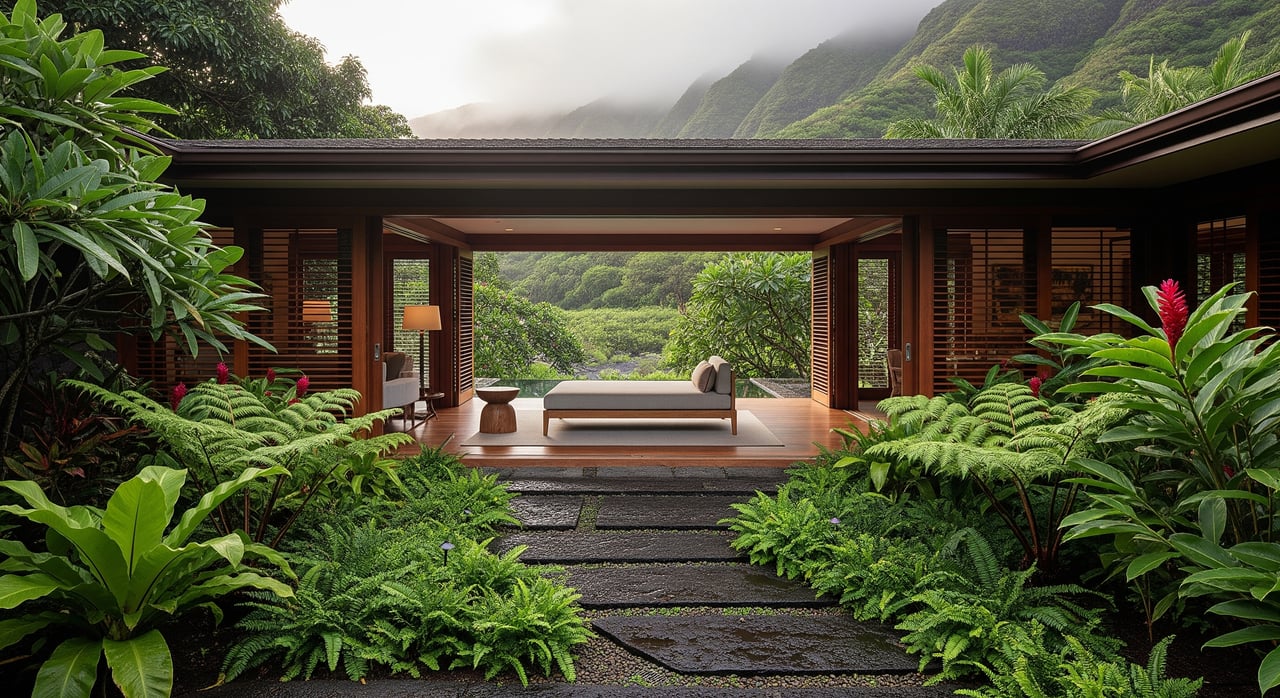
Manoa sits in a verdant valley just inland from central Honolulu, upslope from Mānoa Road and the University of Hawaiʻi at Mānoa. The valley’s narrow floor and steep walls shape views, drainage, and how homes are sited. Manoa gets more rain than many coastal areas, which creates a cooler, greener feel with frequent showers and more humidity. You will find forested trails and valley trailheads nearby, including popular spots like the Manoa Falls area.
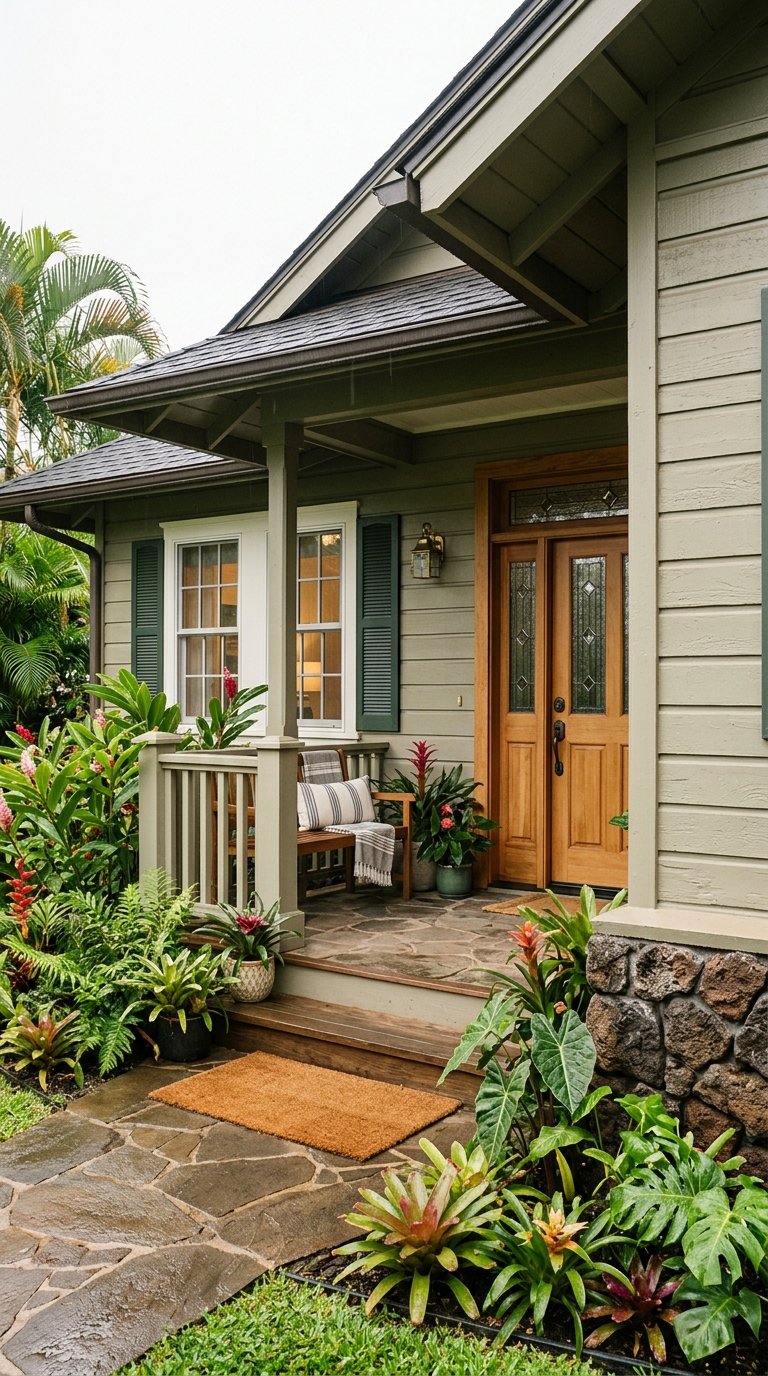
The built character leans residential and leafy. Inside the valley, you’ll see older plantation and bungalow homes, mid-century ranch houses, and thoughtful modern renovations. Small apartments and condos appear along main corridors, while single-family lots dominate quiet interior streets. The vibe is calmer than Waikīkī or Ala Moana, with a mix of long-term residents and a university-influenced community.
Single-family homes on modest to larger lots are most common in the valley interior. Along Manoa Road and University Avenue, you’ll see more duplexes, triplexes, and small apartment or condo buildings. Many properties date to the early and mid 20th century, so you’ll notice architectural character and variation.
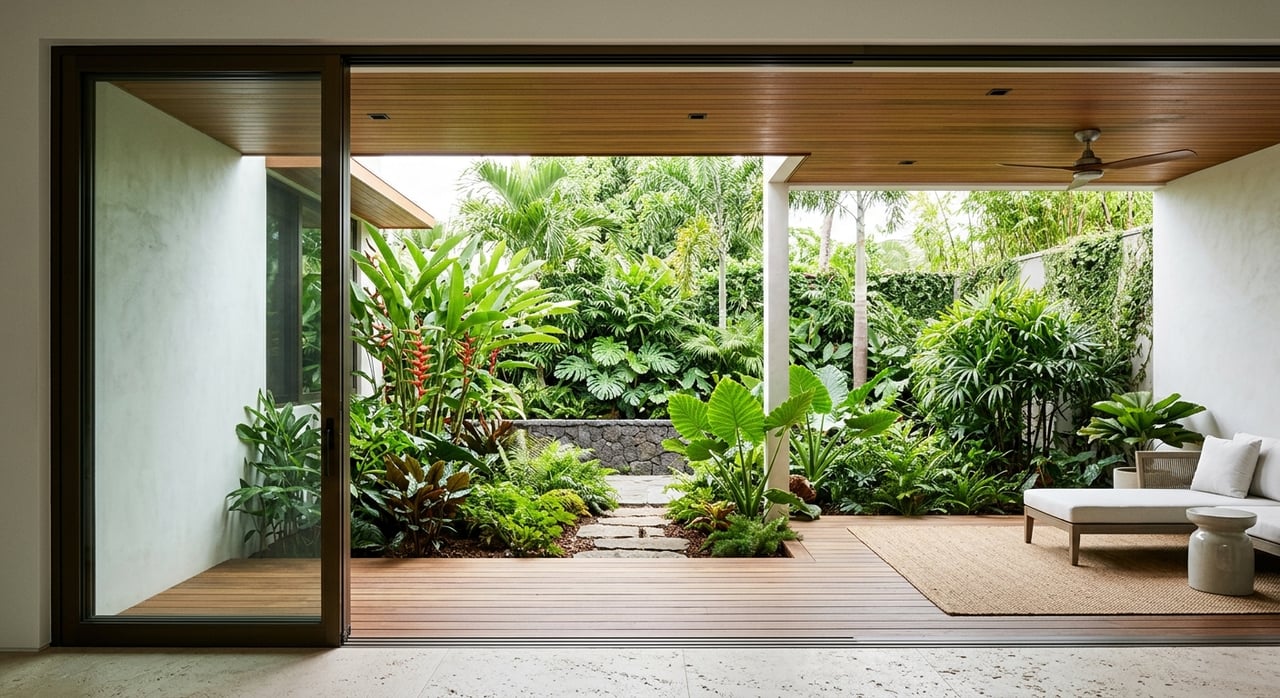
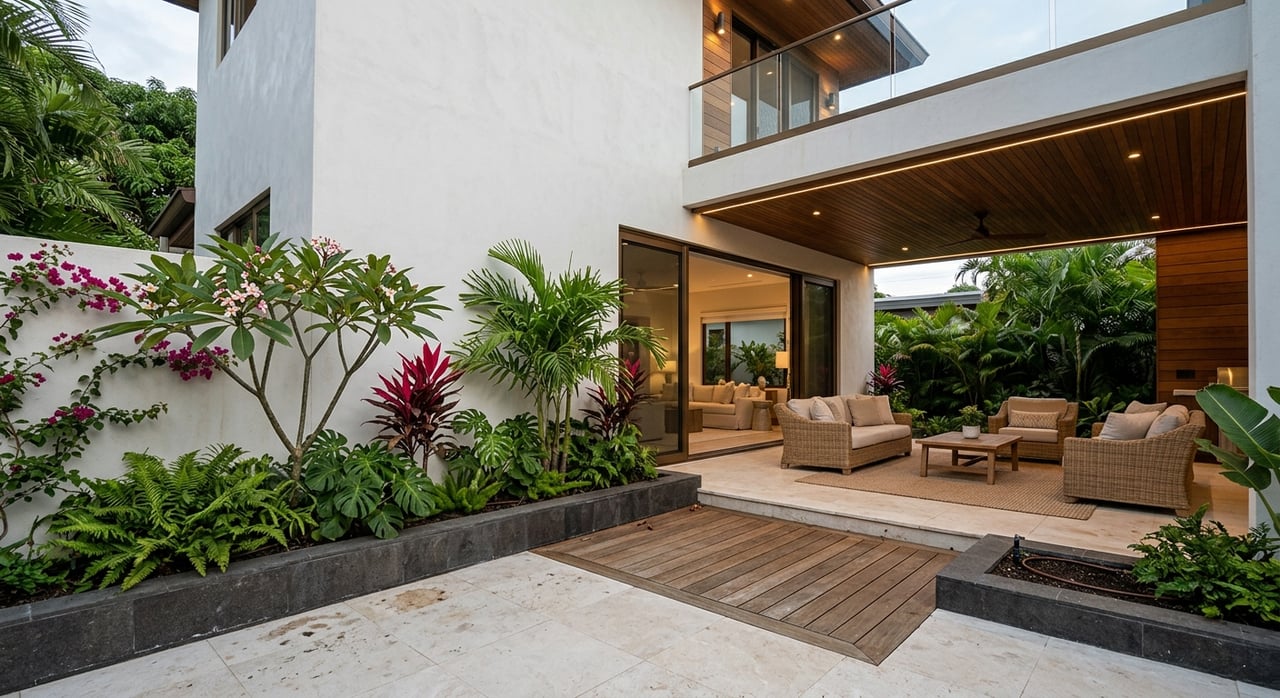
If you appreciate design, Manoa offers mid-century lines, open-air lanais, and the chance to reimagine an older home. Many buyers purchase for location and renovate rather than chase new construction. On sloped or narrow lots, pay attention to parking, drainage, and buildability before planning additions.
Manoa typically sits above the Honolulu median for pricing, with single-family homes often commanding premium prices. Availability shifts with market cycles, and days on market vary by condition, location, and modernization level. Condominiums and townhomes can be more approachable price points, but inventory is more limited inside the valley. For exact figures, consult current local market reports and recent comparable sales before you write an offer.
You’ll find neighborhood-scale retail, cafes, and services along Manoa Road and nearby corridors. For full-service supermarkets and broader shopping, residents often drive to adjacent areas such as the Mānoa Marketplace area, Ala Moana, or other central Honolulu districts. Primary care, dental, and specialty healthcare are a short drive away in greater Honolulu.
Day to day, you trade big-box convenience for a quieter residential feel. Expect abundant greenery, birdsong, and easy access to university resources and events. Nightlife is limited compared with Waikīkī and Kakaʻako, which many buyers see as a plus.
Manoa is close in miles to central Honolulu, Ala Moana, and downtown. Travel time depends on traffic, especially during peak hours when Manoa Road and routes to the freeway get busy. Single-family homes usually have on-site parking, while some streets are narrow with limited visitor parking.
Public transit via TheBus serves the valley and connects to central Honolulu and beyond. There is no rail station inside Manoa, and the Skyline alignment serves other corridors. Parts of the neighborhood are walkable, especially near the university and retail areas, though hilly terrain can make some trips more challenging on foot or bike.
The University of Hawaiʻi at Mānoa anchors the valley. The campus brings cultural events, lectures, concerts, and athletics that enrich the neighborhood. It also influences local traffic, housing demand, and rental activity.
For K–12, Manoa is served by the State of Hawaii Department of Education public schools, with additional private school options across Honolulu. School boundaries and options change over time, so verify current assignments and data directly with the Hawaii DOE and individual schools.
If you enjoy hiking and outdoor time, Manoa delivers. Valley trails and the Manoa Falls area are popular lifestyle perks, though they can draw weekend visitors and may see seasonal closures or maintenance. Neighborhood parks support daily exercise and casual sports. Community groups, the university calendar, and occasional markets or small festivals add to local life.
Higher rainfall and humidity mean you should pay close attention to drainage, roofing, and ventilation. Lower valley areas can experience localized runoff and occasional flooding during heavy rains. On steeper lots, intermittent storms can raise landslide or mudflow risk. Lush vegetation also calls for regular yard care and pest prevention.
Smart steps include thorough home inspections, mold and termite checks, and a focused look at foundation moisture control. For hillside properties, a site-specific geotechnical assessment is wise. Review FEMA and city flood resources to understand insurance needs and property-level risk.
Much of Manoa is zoned for single-family residential use, with pockets of multifamily and institutional parcels. Zoning and allowable uses vary by block, so confirm with the City and County of Honolulu Department of Planning and Permitting before you plan changes. Hillside setbacks and drainage requirements can shape project scope and timelines.
Honolulu permitting and renovation timelines can run longer than smaller jurisdictions, especially for complex sites or older homes. Some homes or areas may have historic value or design guidelines, so check for any preservation overlays early in your process.
Insurers consider slope, drainage, proximity to streams, and older construction when underwriting. Flood insurance is required if a lender identifies floodplain exposure, and some owners elect flood coverage even outside mapped flood zones. Property tax rates and exemptions differ from many mainland markets, so review current county guidance for accurate budgeting.
Proximity to the university supports demand for long-term rentals. Some properties can work well as investment holdings or as owner-occupied homes with a rental component. Short-term rentals are regulated in Honolulu, and many residential zones restrict or prohibit them. Verify the latest city rules and any neighborhood covenants before assuming rental income.
Choose Manoa if you want a greener, quieter setting with quick access to Honolulu’s core and the cultural energy of UH Mānoa. Expect character homes, renovation opportunities, and a lifestyle that leans outdoors. Plan for more rain, thoughtful maintenance, and a premium price point that reflects demand for the valley’s setting and lot sizes.
If you want tailored guidance, neighborhood insight, and access to design-forward options, connect with a local specialist who knows Manoa street by street. For a people-first, concierge experience, reach out to Diane Ito to Request a Personal Consultation.
Specializing in mid-century, modern Hawaii homes, her desire to broaden the scope of the service has been successfully achieved as a 5-time award winner of the Top 100 agents in Hawaii by Hawaii Business Magazine.