Selling in Honolulu asks more of your listing than clean countertops and a fresh orchid flower arrangement. Buyers begin online, compare quickly, and decide which homes feel like easy island living. If you want stronger offers and fewer days on market, design-led staging turns your home into a clear, compelling story. In this guide, you’ll learn what to stage first, how to style for the islands, what it costs, and who to hire in Honolulu to execute fast. Let’s dive in.
Why staging matters in Honolulu now
Late 2025 through early 2026 brought modest shifts to Honolulu County’s market and longer marketing times in some segments. In a market like this, presentation becomes a key differentiator, especially between single-family homes and condos that move at different speeds and price points.
Evidence backs the effort. According to the National Association of Realtors, many agents report that staging shortens time on market, and nearly three in ten seller agents saw offers increase by 1% to 10% after staging in their markets. You can review those findings in NAR’s report on how staging boosts sale prices and reduces time on market. For broader industry performance, the Real Estate Staging Association reports that staged properties in its case samples commonly achieve sales at or above list price with strong returns on relatively small staging investments. Use these as directional indicators, not guarantees.
What Honolulu buyers want to see
Prioritize the rooms that sell
NAR’s 2025 staging snapshot shows buyers and agents rank the living room, primary bedroom, and kitchen as the most important rooms to stage. In Honolulu, treat the lanai as a fourth priority room. Aim for a simple, open look that photographs well and supports easy circulation.
- Top priorities: living room, primary bedroom, kitchen, and lanai.
- Right-size furniture to keep sightlines clear to windows and doors.
- Use a restrained color palette with natural textures to highlight light and space.
Reference: NAR 2025 staging priorities
Lean into island living cues
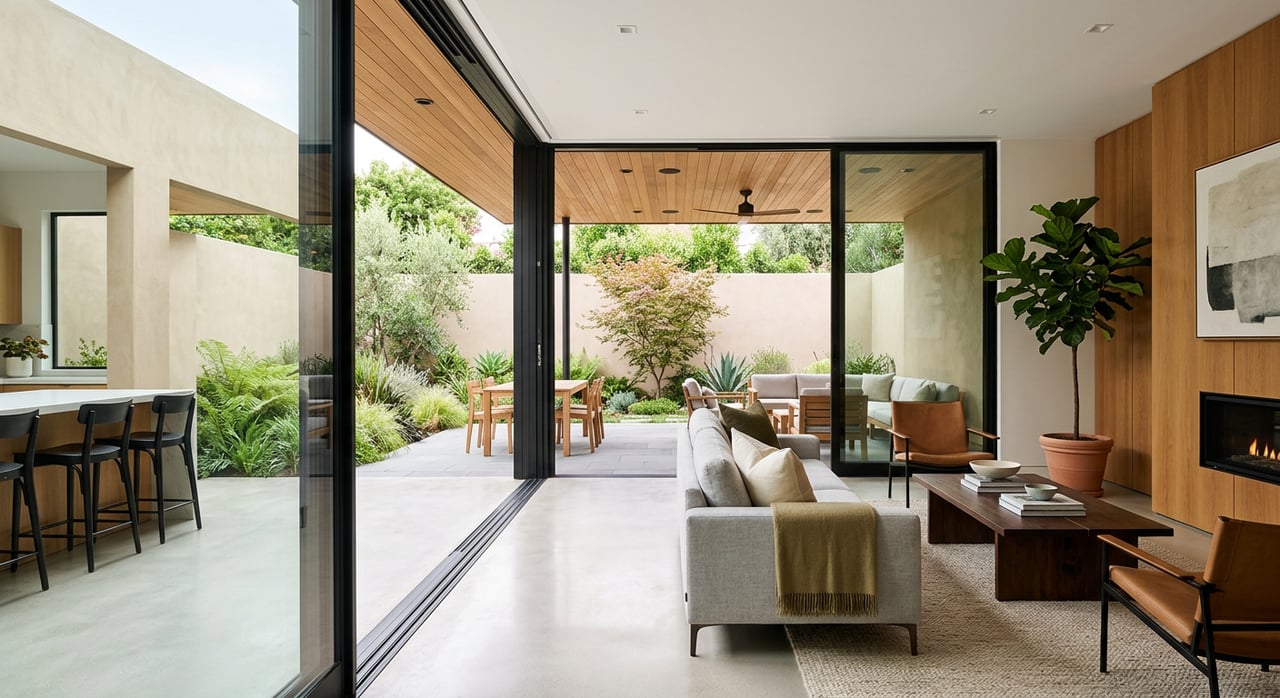
Honolulu buyers respond to light, views, and indoor-outdoor flow. Put the lanai to work as a true living zone, not an afterthought.
- Lead with views and cross-breezes. Keep window treatments minimal for daylight and trade winds.
- Style the lanai for dining or lounging. Use scaled, airy furniture and a simple rug to define space.
- For condos, show usable square footage. Create clear zones for dining, work, and living, and stage storage where possible.
A design-led staging plan
Pre-staging audit: 0 to 7 days
Your agent should walk the property and define the target buyer. Take baseline photos, line up quick repairs, and confirm any condo or HOA rules for delivery windows, signage, and common-area use.
- Book a staging consultation and set priorities. See NAR’s staging hub for an overview of how consultations work. NAR staging overview
- Make a light repairs list and schedule a deep clean.
- If in a condo, contact the property manager early to avoid delivery delays.
Choose your staging path
- Consultation only: 1 to 2 hours on-site. You get a to-do list and style guidance, then you implement.
- Partial or occupied staging: 1 to 3 days for delivery and styling. Stager blends select rental pieces with your best items.
- Vacant or full staging: 3 to 7 days for furniture delivery, installation, and styling. Monthly rental billing usually applies until closing.
Stage for photos first, then for showings
Online is your first showing, so style for the camera.
- Declutter, depersonalize, and remove bulky pieces that block sightlines.
- Maximize light. Clean windows, add fresh bulbs, and open shades.
- Use lifestyle vignettes that look great in wide and close-up shots.
- Maintain the look for in-person showings with simple touch-ups like fresh greenery and a tidy lanai.
NAR’s research highlights that buyers and agents place high value on listing photos, video, and 3D tours. Schedule professional media within 24 to 72 hours after staging finishes so you list at peak presentation. Reference: NAR on the value of photos and virtual tours
Virtual staging, used wisely
For certain vacant rooms, virtual staging can supplement your physical staging plan in marketing photos. Always disclose virtual staging on platforms that require it. Learn more about pairing tactics at the NAR staging hub.
Materials that suit the islands
Honolulu’s tropical climate and coastal air ask for thoughtful material choices, especially outdoors.
- Use quick-dry textiles and performance fabrics that resist humidity.
- Choose marine-grade or powder-coated metals for outdoor furnishings.
- Avoid heavy drapery and bulky upholstery that trap moisture.
- Keep outdoor cushions and decor minimal so they are easy to maintain between showings.
These coastal-friendly tips align with proven guidance for seaside properties. See more ideas in this coastal staging primer: coastal home staging tips.
Budget, ROI, and timing
Most sellers can start with a consultation and focused styling in the priority rooms, then scale as needed. National roundups of HomeAdvisor data, summarized by Bankrate, put many common staging spends roughly in the $800 to $2,900 range, with consultation fees often $150 to $600. Vacant homes that require full furniture rental will cost more upfront and carry a monthly rental until the sale. Exact Honolulu pricing varies with island inventory and logistics, so get local quotes. Source: Bankrate on staging costs
Why the spend is worth it: RESA’s case data shows staged homes in its samples often achieve sale-to-list ratios above 100%, while NAR surveys report a share of agents seeing 1% to 10% price lifts from staging. These are typical industry observations rather than promises, but they explain why a modest investment in presentation can pay back.
Vendor team that saves time
A tight, proven team speeds execution and reduces stress.
- Listing agent: Leads strategy, sets staging scope and budget, coordinates vendors, and times your launch.
- Certified home stager or stylist: Assesses the property, proposes a plan, sources island-suitable inventory, installs, and styles.
- Photographer and videographer: Captures stills, 3D tours, and video to tell the story.
- Cleaners, handyman, landscaper, and mover/hauler: Deliver the polish and curb appeal that support the style.
Honolulu examples to start your search:
Industry data shows many successful listings rely on this repeatable vendor stack. See typical outcomes in RESA’s statistics.
Condo and HOA logistics
If you are selling a condo, confirm rules early so your timeline stays on track.
- Review CC&Rs for elevator reservations, delivery hours, and insurance requirements for vendors.
- Ask about signage, open house rules, and any limits on using common areas in photos.
- If the property is a permitted short-term rental, be ready to disclose registration status and any rules a buyer will inherit. Local regulations evolve, so verify current requirements before marketing to rental-minded buyers.
How to measure success
Track clear signals so you know the staging is working and when to adjust.
- Days on market compared to similar nearby listings.
- Sale price relative to list and to recent comparable sales.
- Online views, saves, and showing requests after your new photos go live.
- Net carrying costs saved by a quicker sale. Estimate your per-day cost for mortgage, taxes, HOA, and utilities to see the real gain from speed.
Quick checklists
7-point pre-listing staging checklist
- Schedule a walk-through with your agent and a professional stager. See NAR’s overview of staging consultations: NAR staging
- Declutter and depersonalize. Pack away family photos and collections.
- Complete small repairs like leaky faucets, sticky doors, and burned-out bulbs.
- Prioritize the living room, primary bedroom, kitchen, and lanai for styling. Reference: NAR staging priorities
- Deep clean windows and floors to maximize light and photos.
- If in a condo, confirm delivery windows, elevator reservations, and any signage rules.
- Book professional photography and a 3D tour the day staging is complete. Then track online views, showing requests, and days on market.
Simple staging timeline
- Day -7 to -3: Walk-through, finalize scope, schedule cleaners and handyman.
- Day -3 to 0: Repairs, deep clean, light landscaping, and staging delivery begins.
- Day 0 to +2: Final styling, professional photos and 3D tour, listing goes live.
- Ongoing: Maintain the staged look; arrange furniture pickup once under contract.
Bring it all together
Design-led staging in Honolulu is about clarity and calm. You emphasize light, simplify circulation, and make the lanai feel like part of everyday living. With focused investment in the rooms that matter, island-smart materials, and fast professional media, you can attract better-qualified buyers and shorten time on market. If you want a curated plan and the vendor team to execute it, connect with Diane Ito for a personal consultation tailored to your home and timeline.
FAQs
How much should I budget for staging in Honolulu?
- Use national ranges as a starting point. Many sellers spend roughly $800 to $2,900, with consultations often $150 to $600, then confirm local quotes for island logistics. Source: Bankrate cost guide
Which rooms deliver the best staging ROI?
- Focus on the living room, primary bedroom, and kitchen, and in Honolulu treat the lanai as a priority room too. Reference: NAR staging snapshot
Do I need to empty my house to stage it?
- Not always. Occupied or partial staging blends select rental pieces with your best items and often costs less than fully furnishing a vacant home; see typical outcomes in RESA data.
Is virtual staging worth it for condos?
- Yes, when used selectively for vacant rooms in photos, and you should disclose it when required; it complements physical staging. Learn more at the NAR staging hub.
How long does the staging process take start to finish?
- Consultations are 1 to 2 hours; partial staging often installs in 1 to 3 days; full vacant staging commonly needs 3 to 7 days, followed by professional media within 24 to 72 hours.